
Call us now :07315122648
 Send Inquiry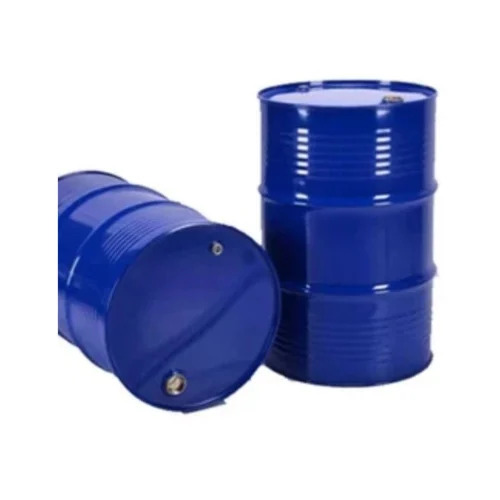
Acrylonitrile (107-13-1)
800 INR/Kilograms
Product Details:
- Melting Point -83C
- EINECS No 203-466-5
- Usage Industrial manufacture of ABS, SAN resins, and acrylic fibers
- Shelf Life 1 year in sealed containers under recommended storage
- Purity 99% min
- Shape Liquid
- Appearance Clear, Colorless Liquid
- Click to View more
X
Acrylonitrile (107-13-1) Price And Quantity
- 100 Kilograms
- 800 INR/Kilograms
Acrylonitrile (107-13-1) Product Specifications
- Clear, Colorless Liquid
- Liquid
- Used in production of plastics, acrylic fibers, synthetic rubbers, resins, and as an intermediate in organic synthesis
- Liquid
- 107-13-1
- Slightly soluble in water (7 g/100 ml at 20C); soluble in alcohol, ether, acetone
- CH2=CHCN
- 0.809 Gram per cubic centimeter(g/cm3)
- 203-466-5
- -83C
- Industrial manufacture of ABS, SAN resins, and acrylic fibers
- 1 year in sealed containers under recommended storage
- 99% min
- 29261000
- Industrial Grade
- Sweet, pungent, acrid odor
- Yes, toxic
- Acrylonitrile
- n20/D 1.391
- 53.06 g/mol
- C3H3N
- Bitter
- Store in cool, dry, ventilated location away from heat and incompatible substances; keep container tightly closed
- Chemical Compound
- Colorless, volatile, flammable, toxic, reactive with acids, alkalis, oxidizing agents and bases
- Stable under recommended storage conditions; polymerizes violently under influence of heat, light, or peroxides
- Hazard class 3 (Flammable liquid), Packing group I
- 2C (closed cup)
- Classified as hazardous under GHS; subject to OSHA and REACH regulations
- 1.83 (air = 1)
- Strong oxidizing agents, acids, bases, amines
- Flammable, toxic, may cause cancer, irritant to eyes and respiratory tract
- Harmful to aquatic life; avoid release to environment
- Drums, ISO tanks
- 109 mmHg (20C)
- Oral LD50 (rat): 81 mg/kg
- 481C
- 1093
- 77C
Product Description
Discover the eminent Acrylonitrile (CAS No: 107-13-1), a top-rated, new-generation industrial chemical that offers ineffable versatility in the production of plastics, acrylic fibers, synthetic rubber, and resins. With an inestimable purity of 99% min, this colorless liquid boasts a bitter taste and a sweet, acrid odor. Packaged in sturdy drums or ISO tanks, it ensures safe, stable storage under recommended conditions. Personalise your sourcing with a supplier who meets stringent regulatory standards. Acrylonitrile's superior properties make it ideal for large-scale industrial applications, where efficiency and performance are paramount.
Distinct Features & Applications of Acrylonitrile (107-13-1)
Acrylonitrile (107-13-1) is recognized for its eminent performance in industrial settings, primarily in machine-driven production of ABS, SAN resins, and robust acrylic fibers. This volatile and top-rated chemical demonstrates ineffable adaptability for both general and specialized manufacturing, such as synthetic rubber and resin synthesis. Suitable for high-volume, industrial usage, its chemical stability and purity assure reliable, repeatable results, thus making it inestimable for modern manufacturing and process innovation across diverse sectors.
Payment, Sample Policy & Logistics for Acrylonitrile (107-13-1)
We offer flexible payment terms to match your business needs and support efficient supply chain management. Sample policies are tailored for industrial clients, ensuring you assess our top-rated quality firsthand before bulk orders. Our specialized logistics and goods transport solutions ensure timely, safe delivery of your Acrylonitrile, leveraging robust packaging options like drums and ISO tanks. Expect rapid, reliable delivery times tailored to your location and quantity requirements, with a focus on seamless, professional logistics and transport coordination.
Distinct Features & Applications of Acrylonitrile (107-13-1)
Acrylonitrile (107-13-1) is recognized for its eminent performance in industrial settings, primarily in machine-driven production of ABS, SAN resins, and robust acrylic fibers. This volatile and top-rated chemical demonstrates ineffable adaptability for both general and specialized manufacturing, such as synthetic rubber and resin synthesis. Suitable for high-volume, industrial usage, its chemical stability and purity assure reliable, repeatable results, thus making it inestimable for modern manufacturing and process innovation across diverse sectors.
Payment, Sample Policy & Logistics for Acrylonitrile (107-13-1)
We offer flexible payment terms to match your business needs and support efficient supply chain management. Sample policies are tailored for industrial clients, ensuring you assess our top-rated quality firsthand before bulk orders. Our specialized logistics and goods transport solutions ensure timely, safe delivery of your Acrylonitrile, leveraging robust packaging options like drums and ISO tanks. Expect rapid, reliable delivery times tailored to your location and quantity requirements, with a focus on seamless, professional logistics and transport coordination.
FAQ's of Acrylonitrile (107-13-1):
Q: How is Acrylonitrile (107-13-1) typically used in industrial manufacturing?
A: Acrylonitrile is mainly used in the production of plastics such as ABS and SAN resins, as well as acrylic fibers, synthetic rubbers, and as an intermediate for organic synthesis in a range of industries.Q: What are the key safety precautions when handling Acrylonitrile?
A: Proper handling involves using protective equipment, working in well-ventilated areas, and storing in tightly closed containers away from heat, light, and incompatible substances. Because it is highly flammable and toxic, safety protocols must be strictly followed.Q: When does Acrylonitrile become unstable or hazardous?
A: Acrylonitrile polymerizes violently when exposed to heat, light, or peroxides, and it can react dangerously with strong acids, bases, amines, and oxidizing agents. It should be kept under recommended storage conditions at all times.Q: Where should Acrylonitrile be stored for maximum stability?
A: Store Acrylonitrile in a cool, dry, ventilated area away from sources of heat and incompatible chemicals. Containers must be tightly sealed to prevent leaks and maintain efficacy.Q: What is the process for obtaining samples or arranging delivery?
A: Contact your supplier with your requirements. Samples can be arranged according to company policy, and bespoke logistics solutions are available for bulk orders, ensuring timely, safe transport and delivery.Q: What are the environmental considerations for Acrylonitrile usage?
A: Acrylonitrile is harmful to aquatic life and should not be released into the environment. Proper disposal procedures and spill containment should always be followed as per regulatory guidelines.Tell us about your requirement

Price:
Quantity
Select Unit
- 50
- 100
- 200
- 250
- 500
- 1000+
Additional detail
Mobile number
Email

Other Products in 'Speciality Chemicals' category

 Send Inquiry
Our Products
- Laboratory Chemicals
- Metal Powder
- Industrial Chemicals
- Pharmaceutical Chemicals
- Industrial Acid
- Calcium Carbonate
- Ph Indicator Paper
- Isopropyl Alcohol
- Ph Testing Paper
- Fertilizers
- Chemical Test Kits
- Insecticides
- Starch Powder
- Laboratory Reagents
- Chemical Dyes
- Chemical Liquid
- Acetic Acid
- Reactive Dyes
- Speciality Chemicals
- Chemical Compound
- Indicators
- Fine Chemicals
- LIQUID LAB CHEM
- Chemical Powder
- Api Intermediate
- Potassium Salts
- Intermediates
- Specialty Chemical
- Sodium Salts
- Silver Salts
- Pharmaceutical Intermediates
- Water Treatment Chemicals
- Pharma Intermediates
- Cosmetic Chemicals
- Pyridine Derivatives
- Active Pharmaceutical Ingredients
- Laboratory Equipment
- Chemical
- CALCIUM SALTS
- Acids
- Liquid Chemical
- Dyes Intermediates
- Laboratory Glassware
- SPE CHEMICAL
- Organic Chemicals
- Benzene
- Chemical Solvent
- Acetophenone


Plot No. 1411, Shop No. S-17, Second Floor, Global Trade Centre, Mega Chowkdi,Ankleshwar - 393002, Gujarat, India

Mr Uttambhai Vaghasiya
(Partner)
Mobile :07315122648
 Send Inquiry
 Send SMS
Developed and Managed by Infocom Network Private Limited.
 English
 Spanish
 French
 German
 Italian
 Chinese (Simplified)
 Japanese
 Korean
 Arabic
 Portuguese