
Call us now :07315122648
 Send Inquiry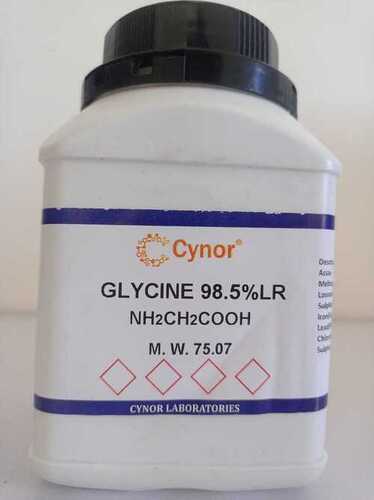
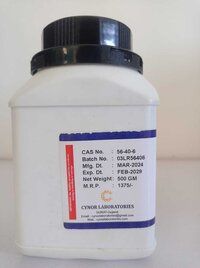
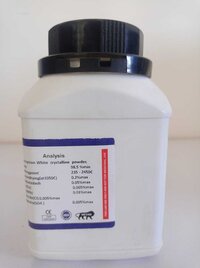
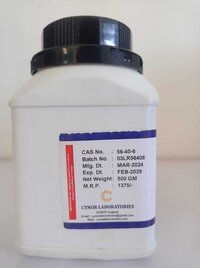
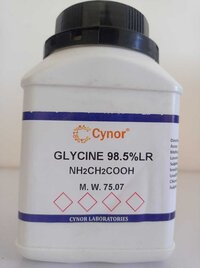
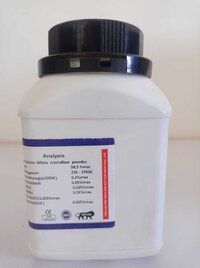
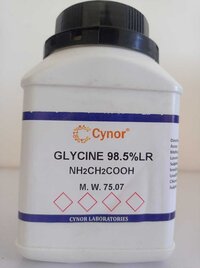
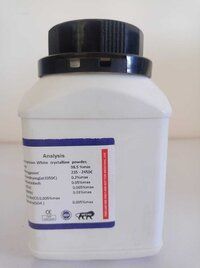
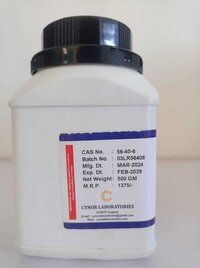
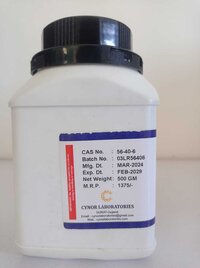
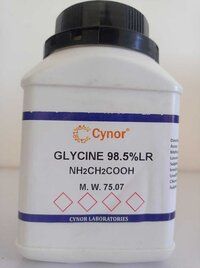
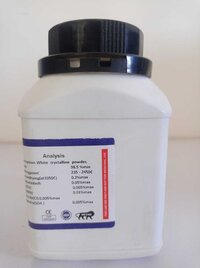
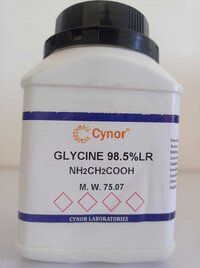
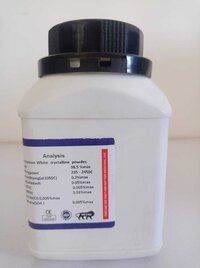
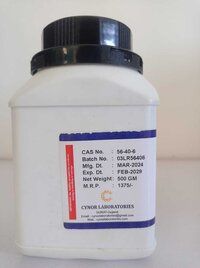
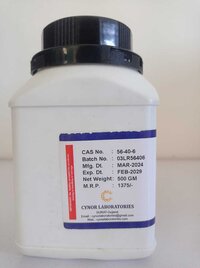
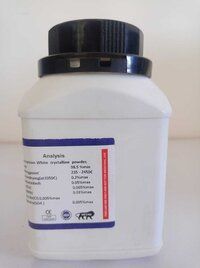
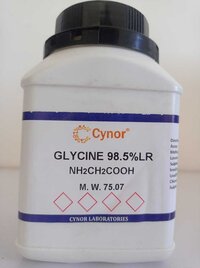
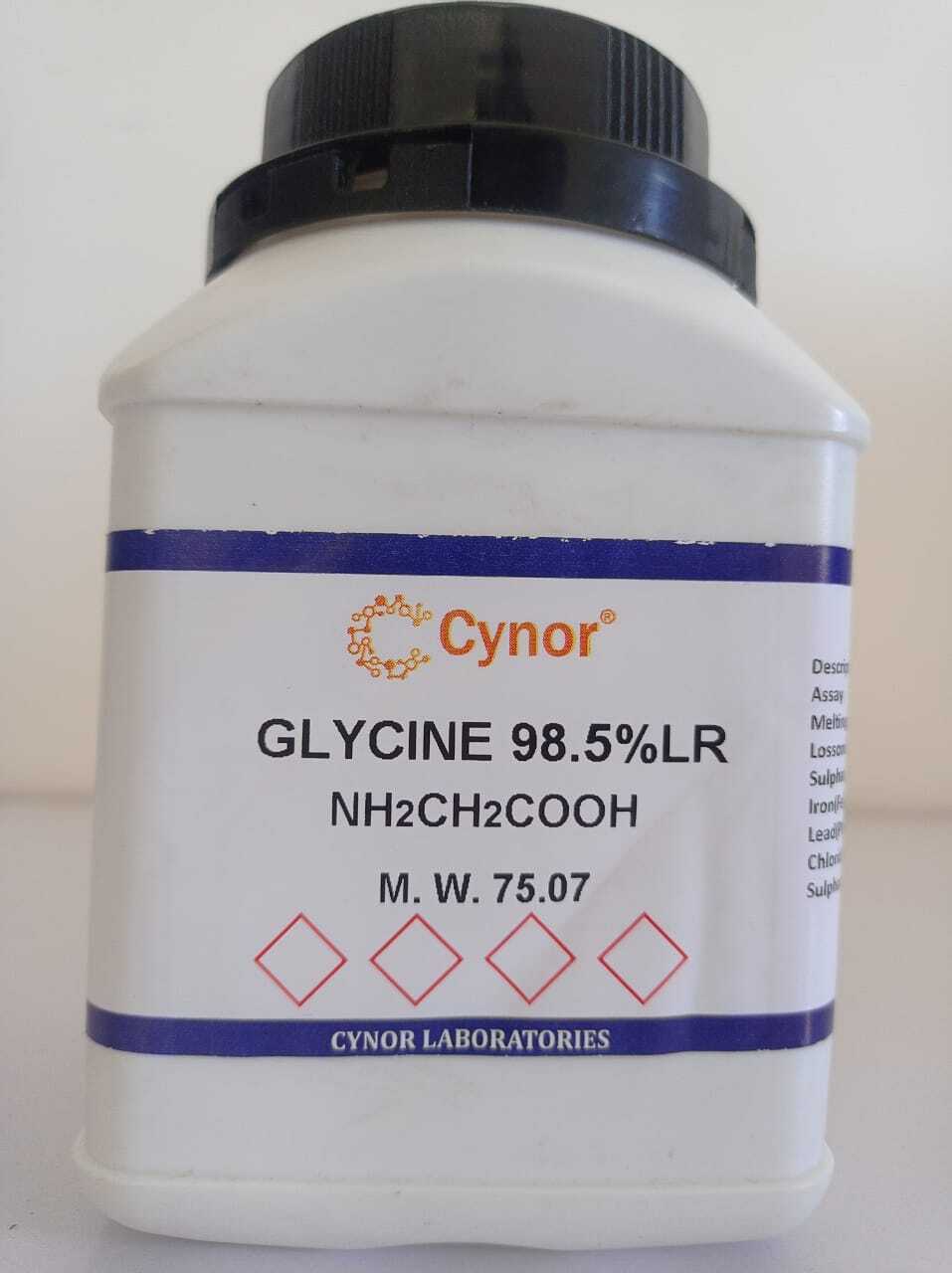
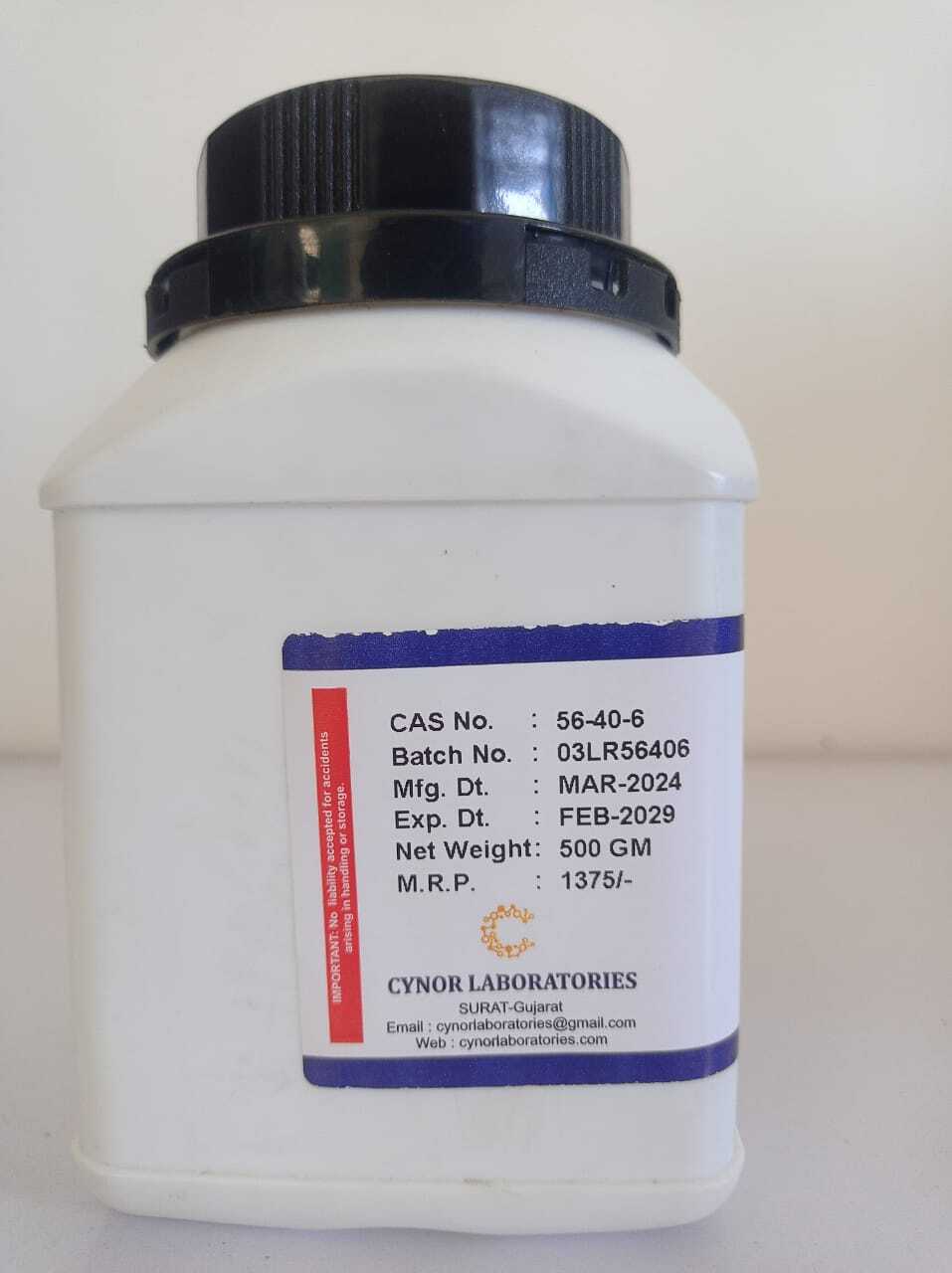
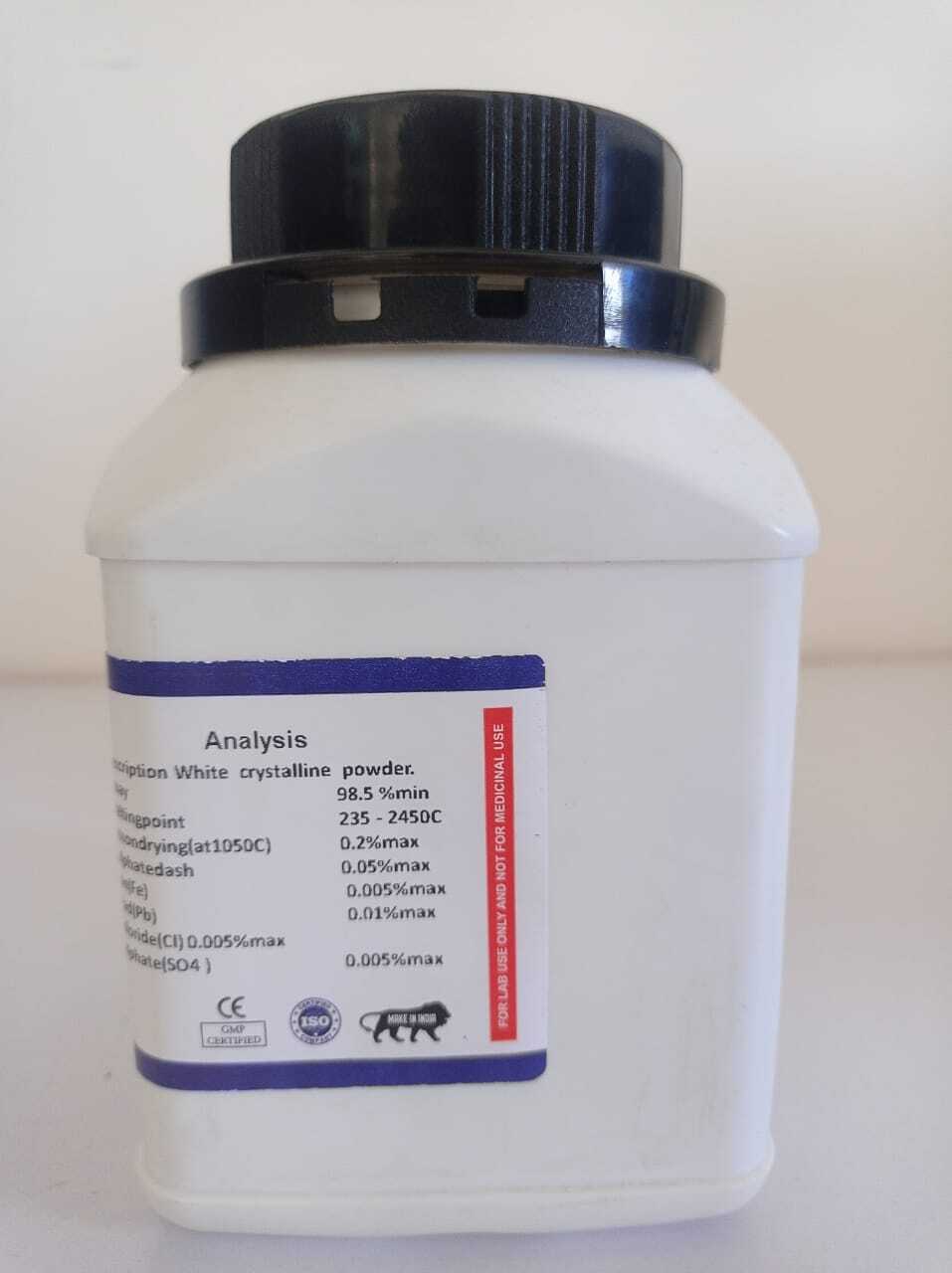
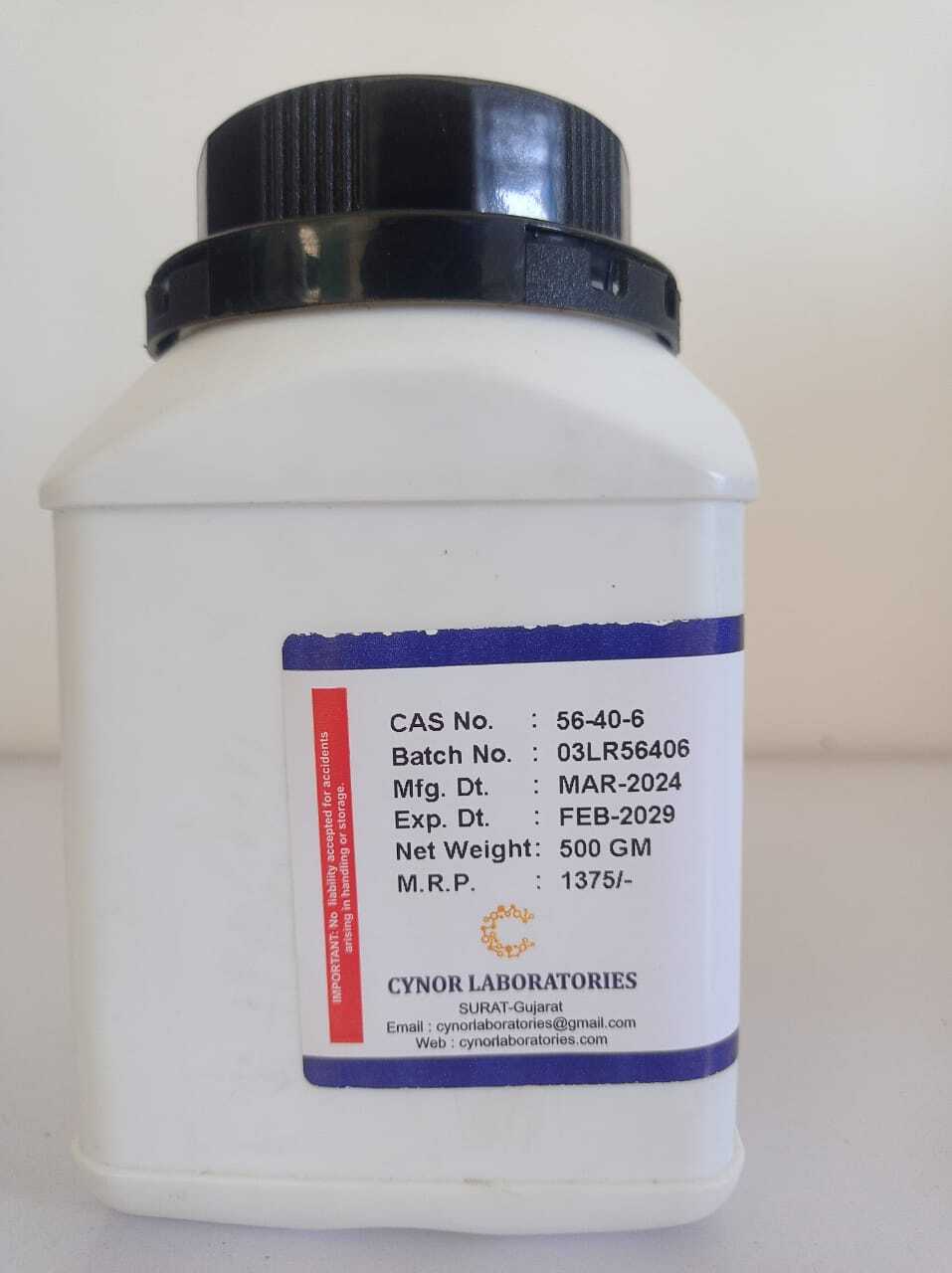
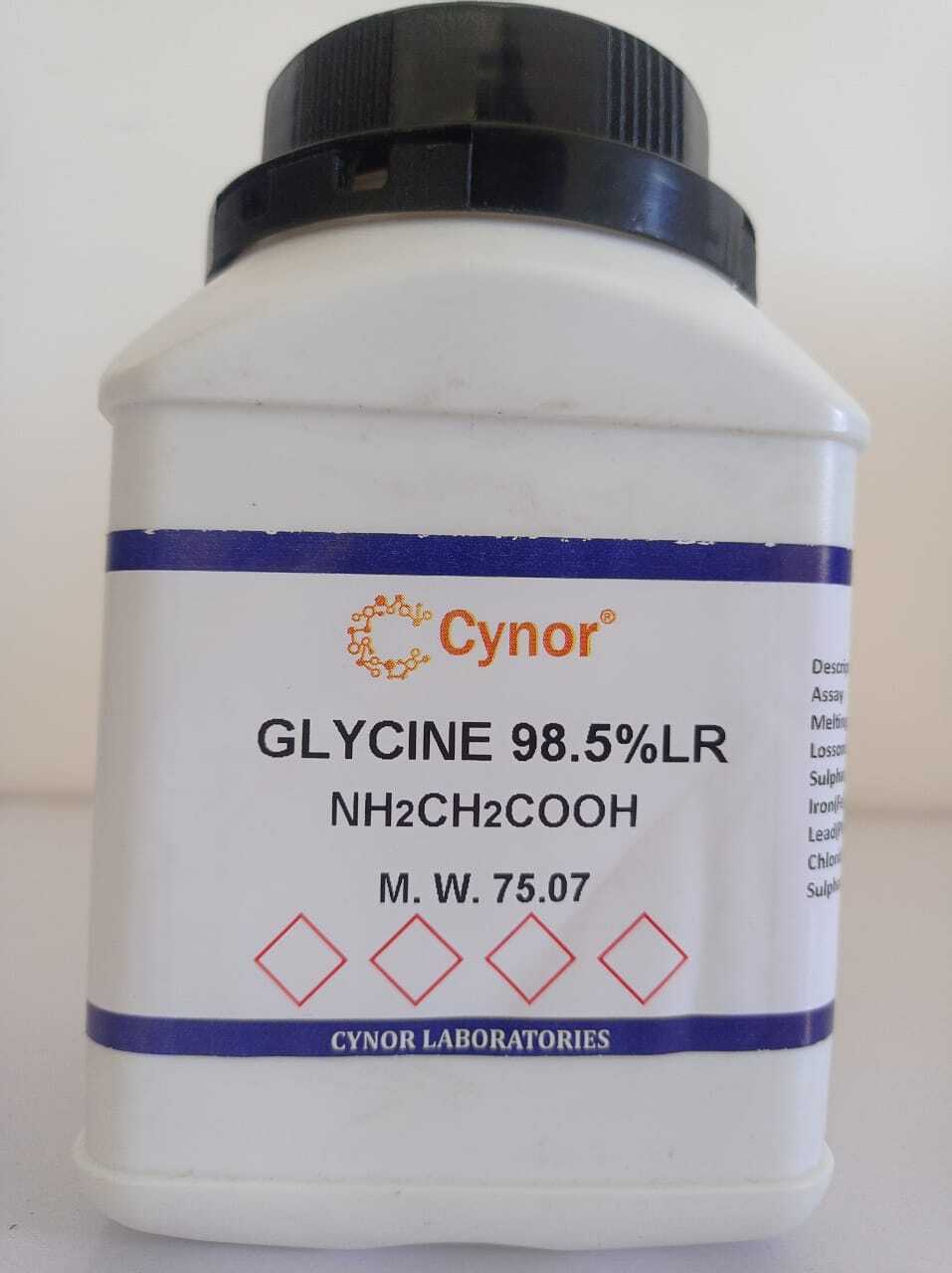
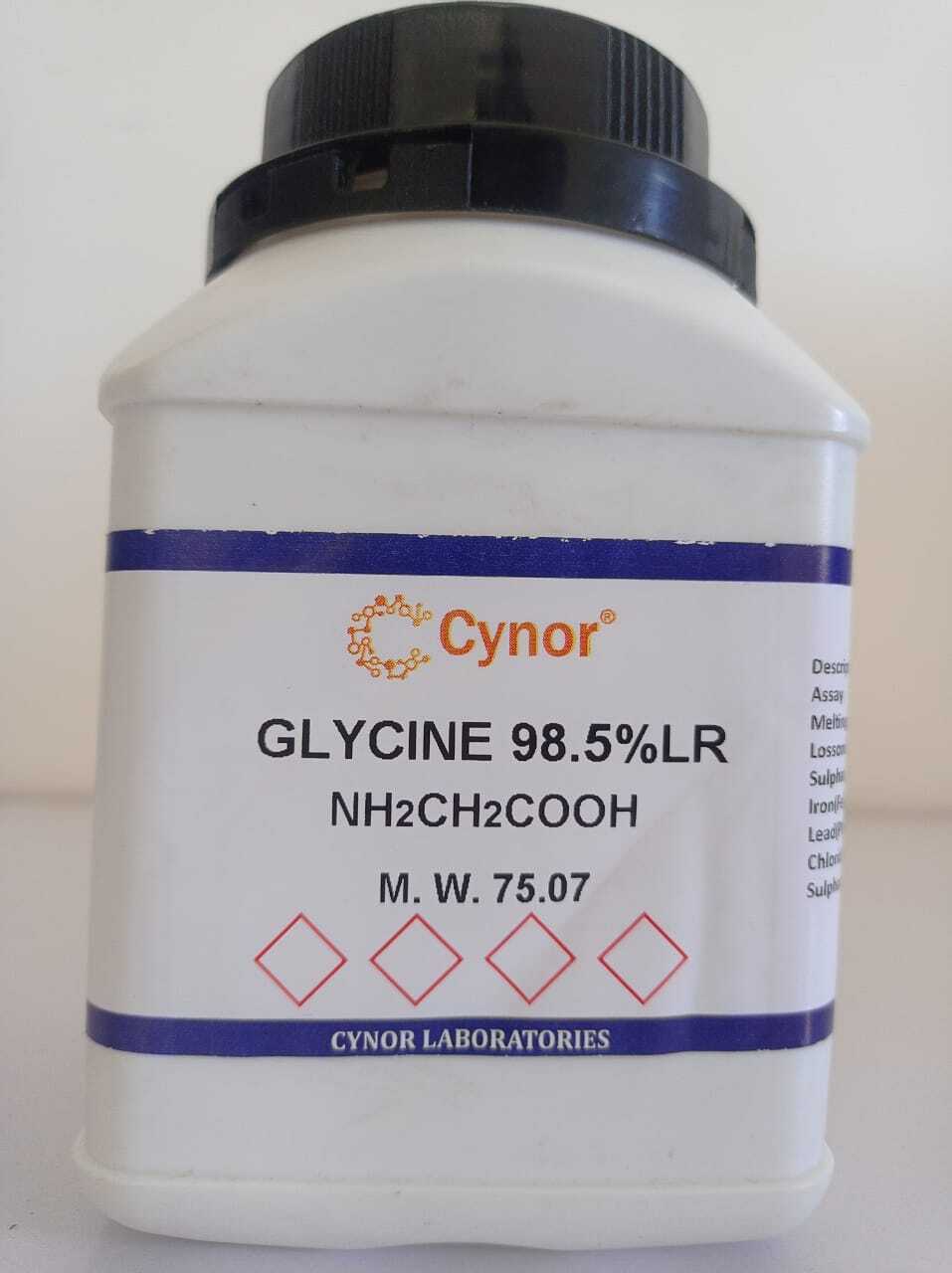
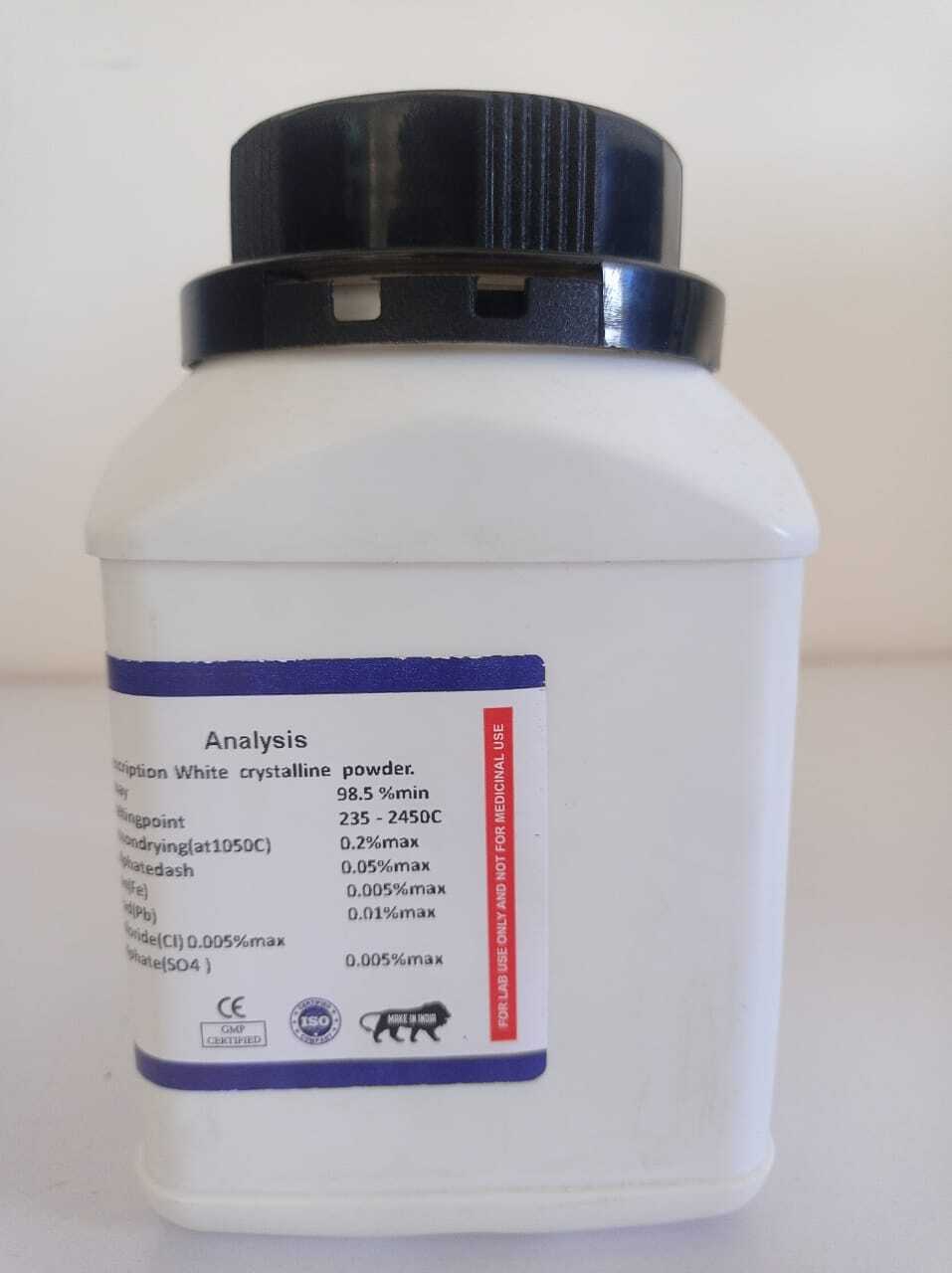
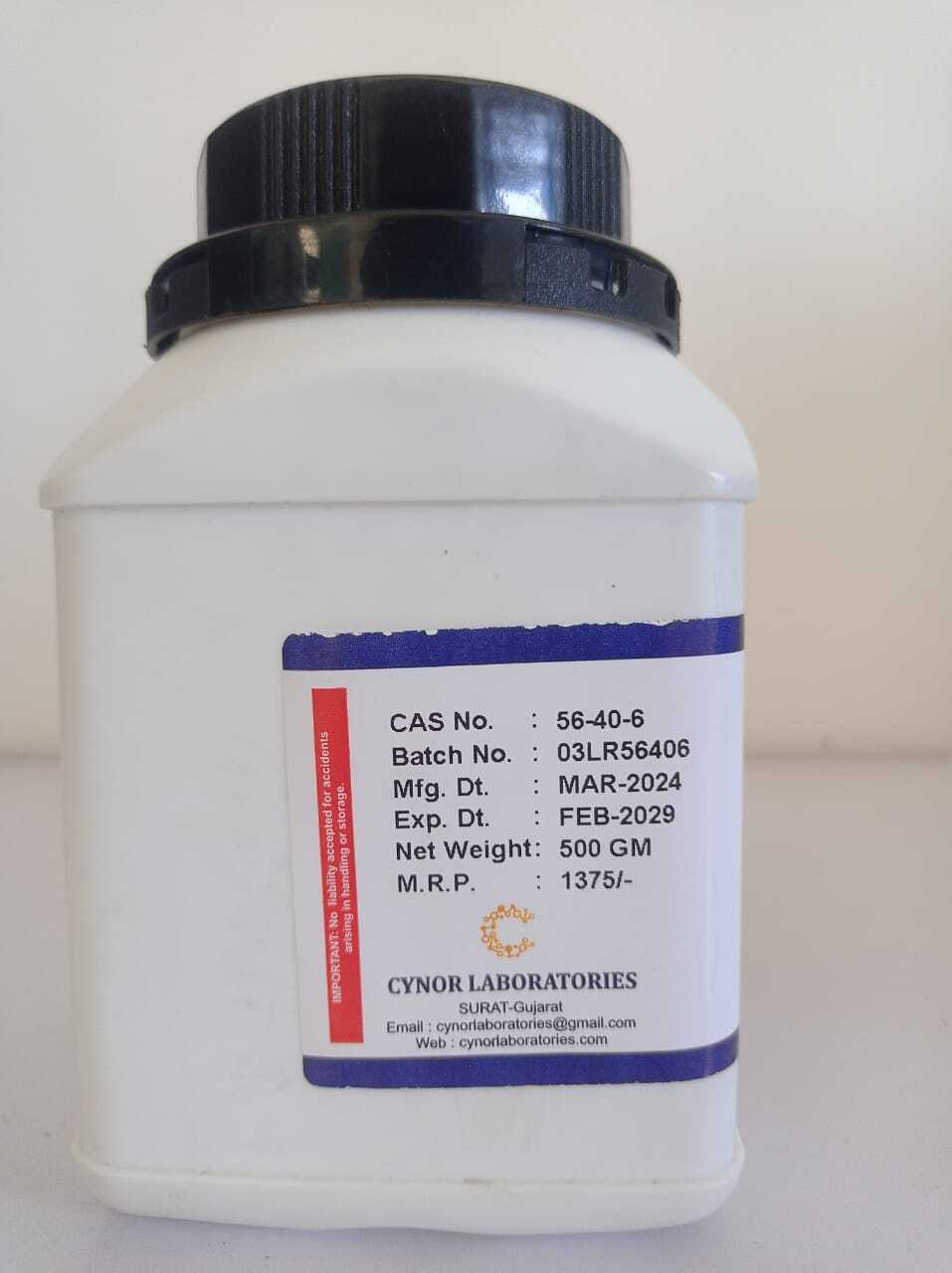
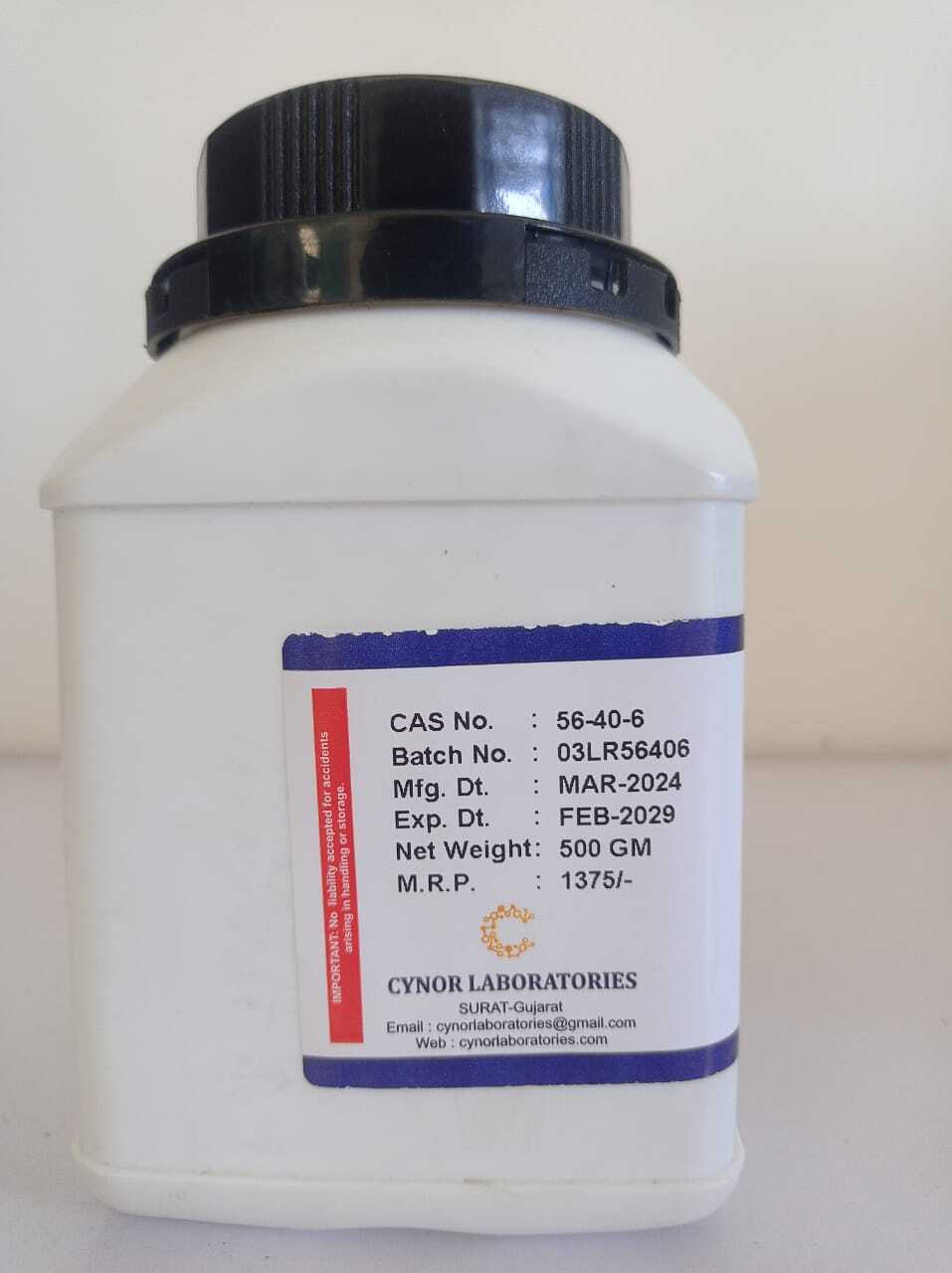
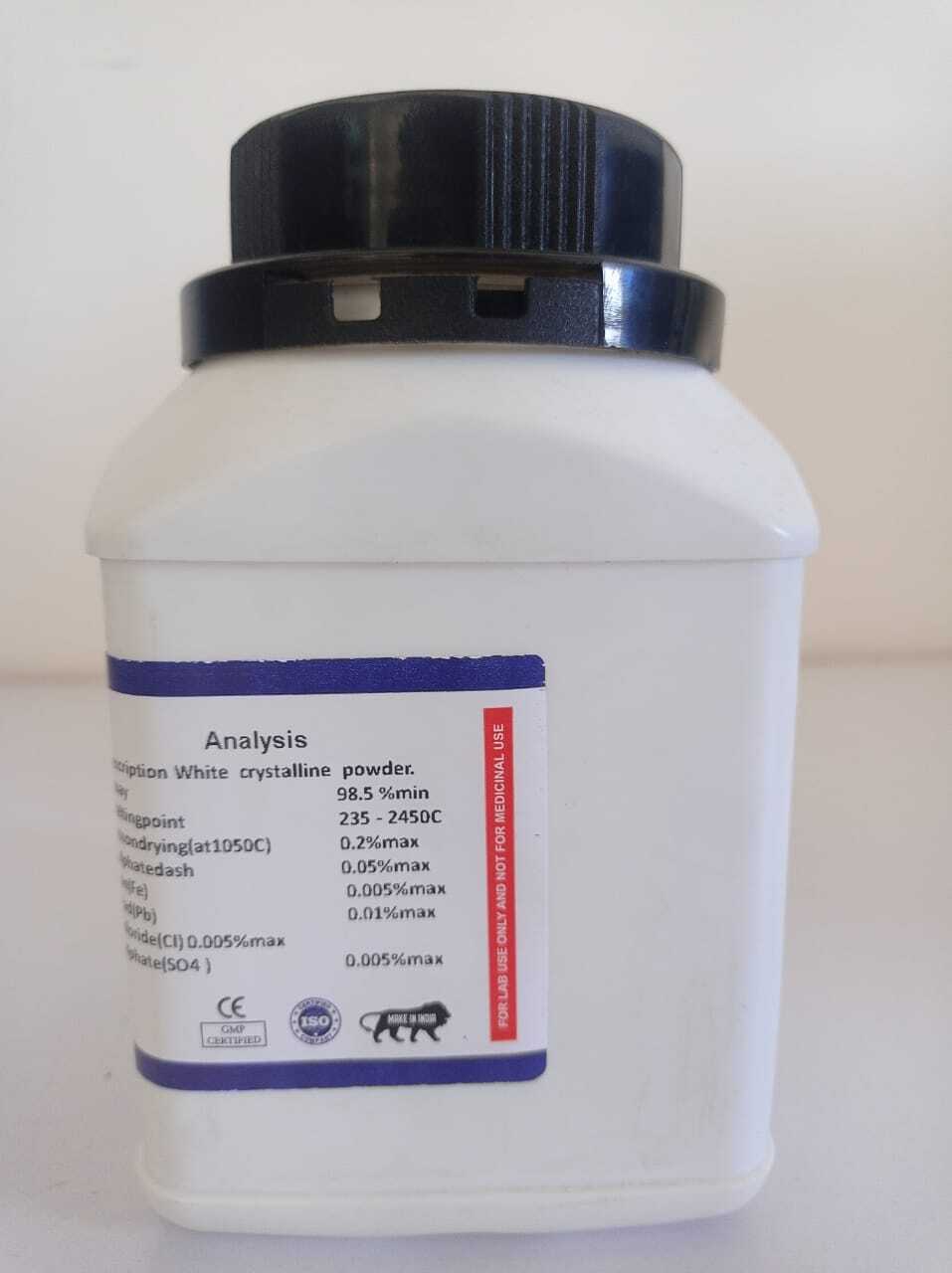
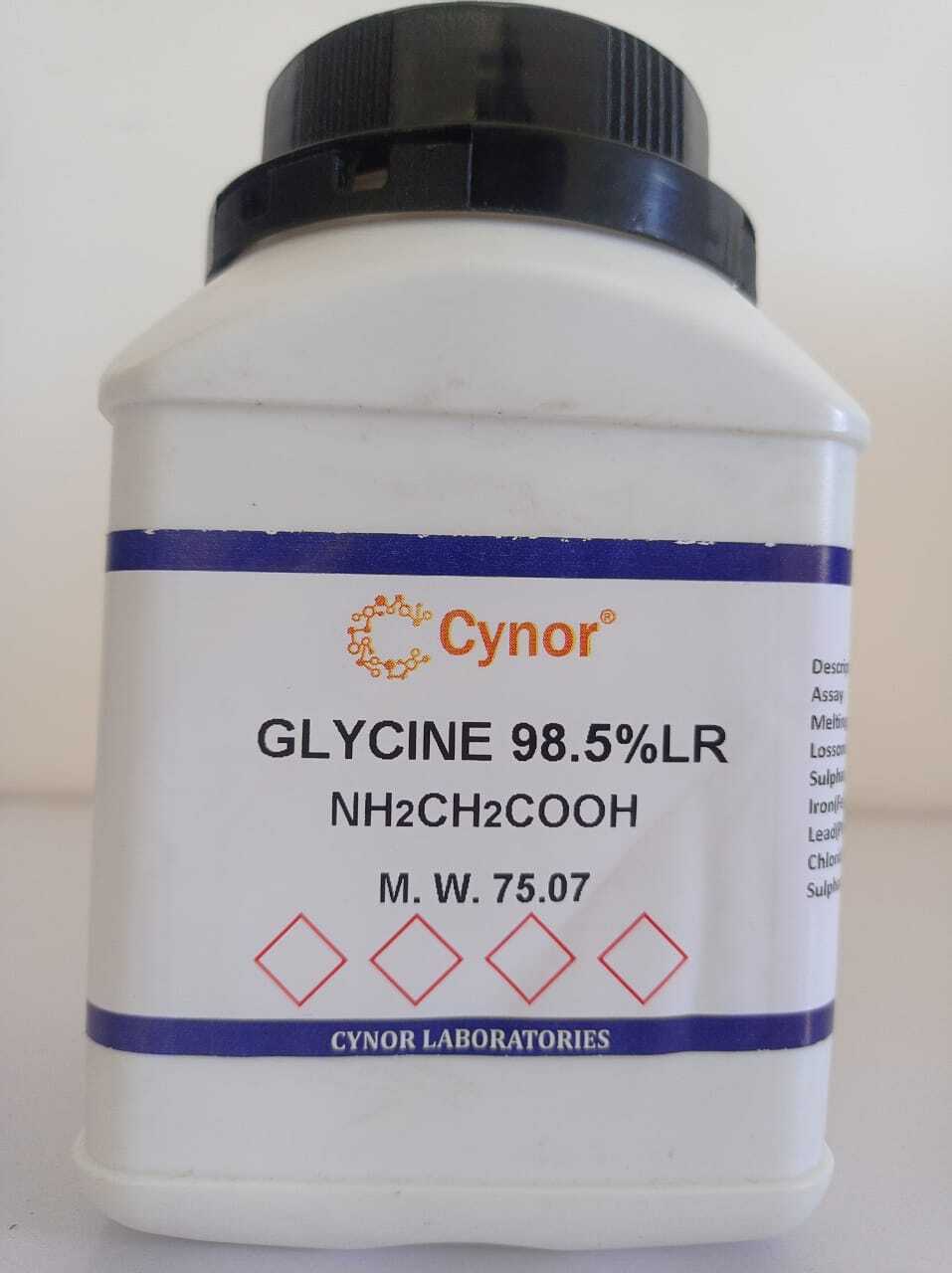
Glycine (500GM)
1100 INR/Bottle
Product Details:
- Shelf Life 5 Years (if sealed and stored properly)
- Ph Level 5.9-6.4 (1% solution)
- Packaging Type Plastic Bottle/Jar
- Storage Instructions Store in a tightly closed container, in a cool, dry, well-ventilated area
- Physical State Powder
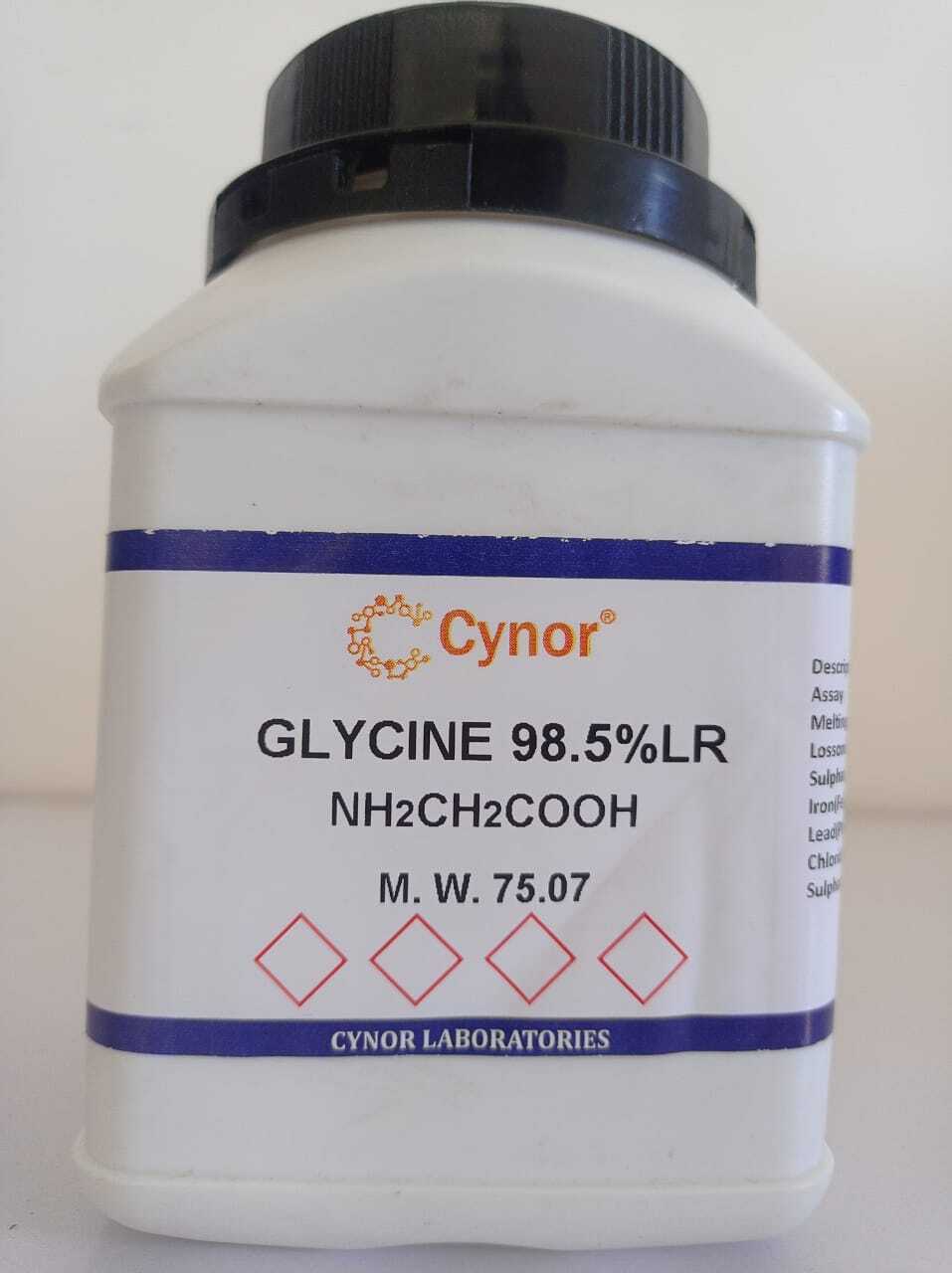
- Molecular Formula C2H5NO2
- Purity 99%
- Click to View more
X
Glycine (500GM) Price And Quantity
- 1100 INR/Bottle
- 1 Bottle
Glycine (500GM) Product Specifications
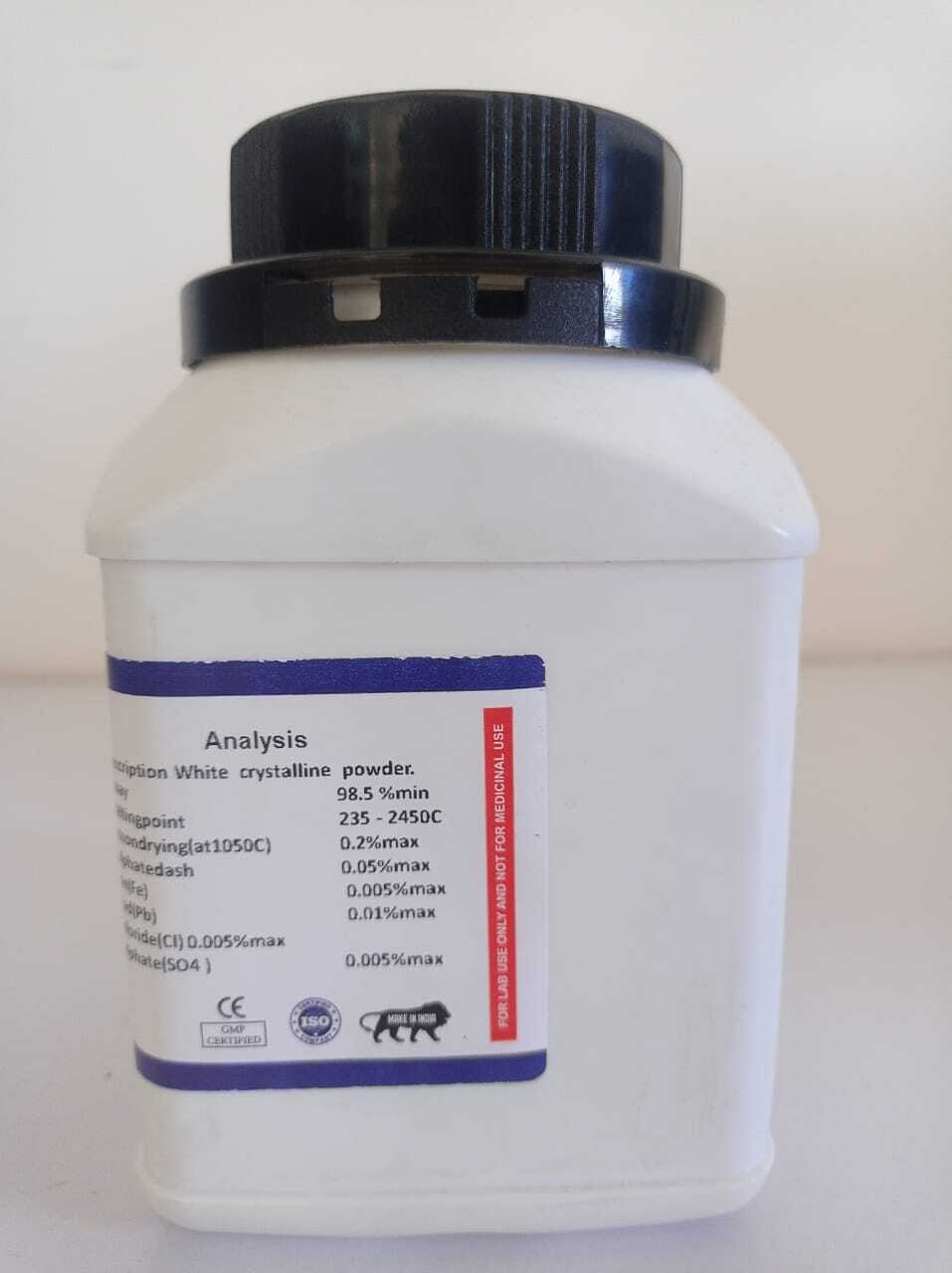
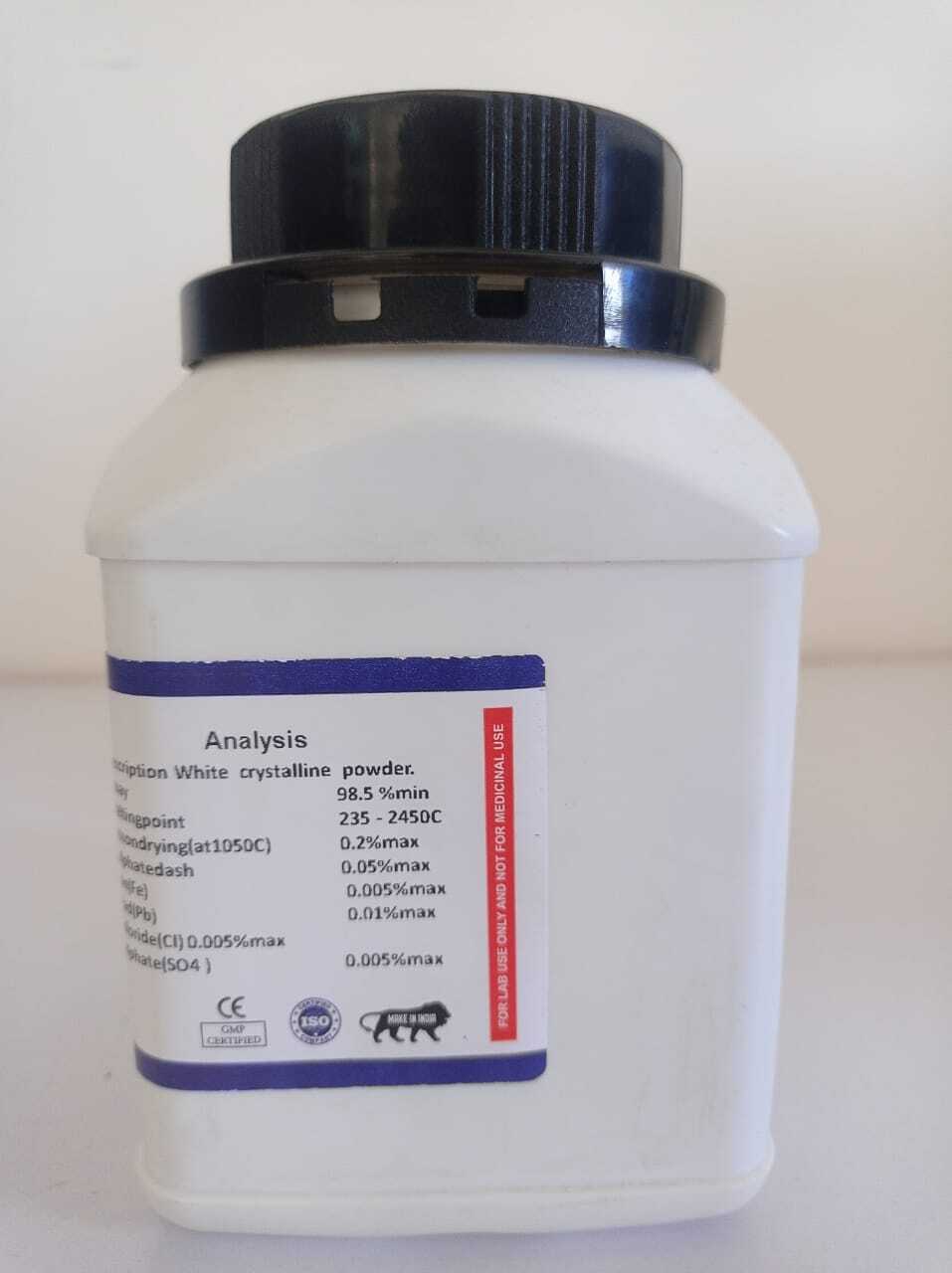
- White Crystalline Powder
- Analytical Reagent, Biological Studies, Nutritional Supplementation
- Pharmaceuticals, Food Industry, Laboratory Reagent
- Decomposes
- 233-236C (dec.)
- 75.07 g/mol
- Amino Acid
- 1.607 Gram per cubic centimeter(g/cm3)
- 99%
- 99%
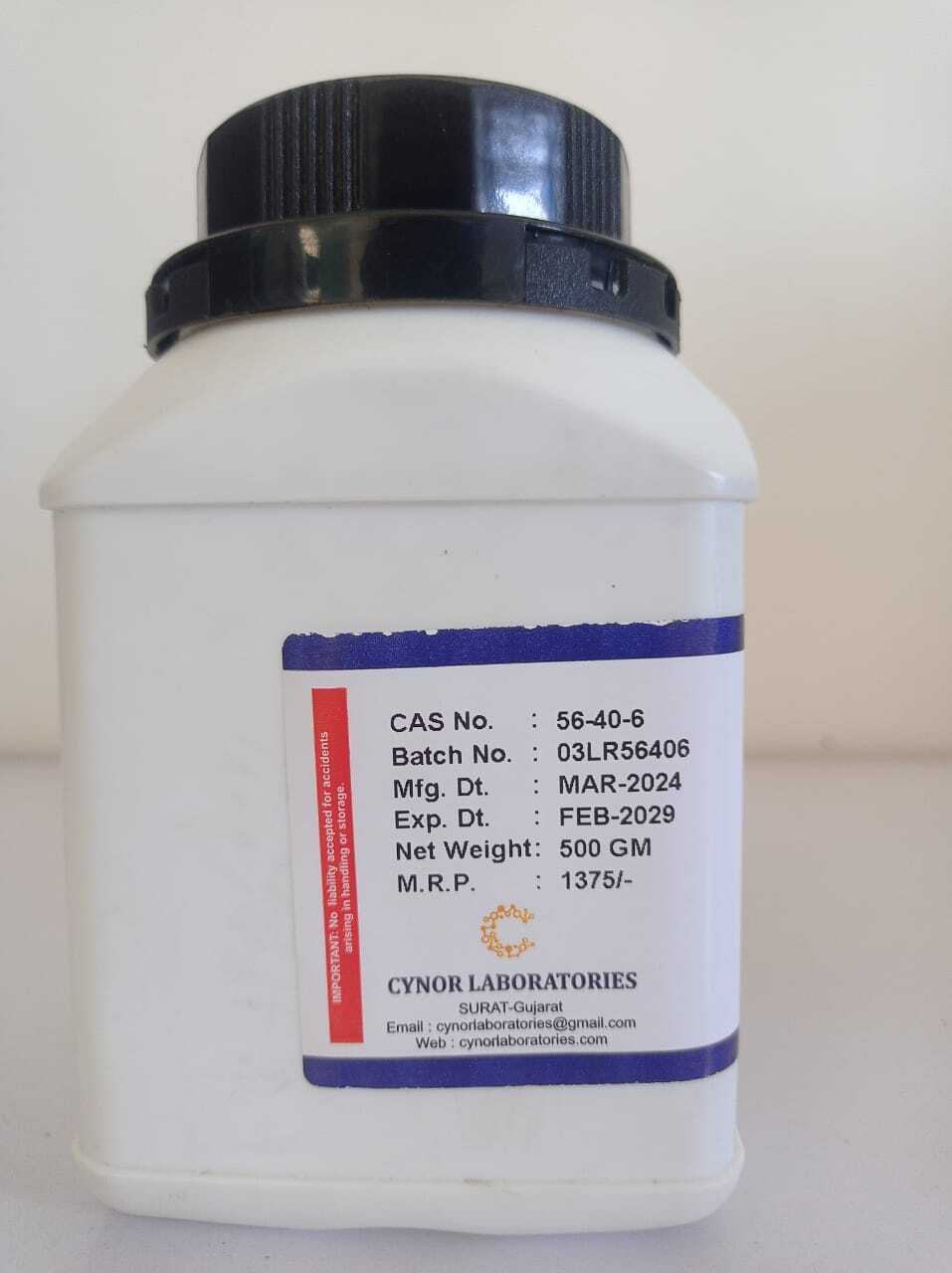
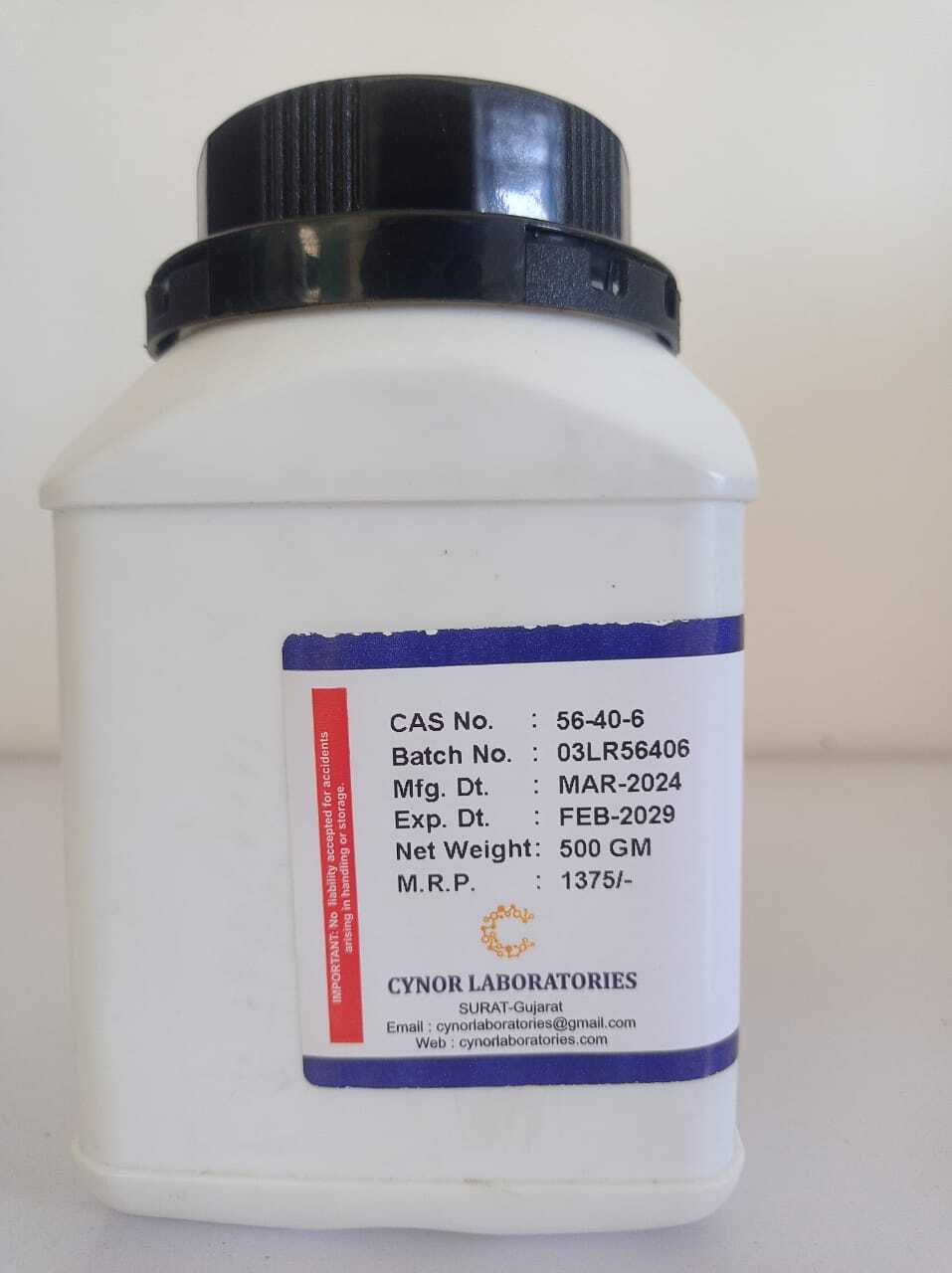
- 56-40-6
- 500GM
- Store in a tightly closed container, in a cool, dry, well-ventilated area
- C2H5NO2
- Powder
- Plastic Bottle/Jar
- Laboratory Grade
- 5.9-6.4 (1% solution)
- 5 Years (if sealed and stored properly)
- 200-272-2
- 29224910
- 99.0%
- 2.34 (COOH), 9.60 (NH2)
- Odorless
- Solid
- 0.2%
- <10 ppm
- Freely soluble in water, slightly soluble in alcohol
- <1 ppm
Product Description
Glycine or G;[6] /EElaEasiEn/ )[7] is an amino acid that has a single hydrogen atom as its side chain. It is the simplest stable amino acid (carbamic acid is unstable). In the gas phase, it is a molecule with the chemical formula NH2CH2COOH. In solution or in the solid, glycine exists as the zwitterion.Highly Soluble and Odorless Quality
Glycine stands out for its excellent solubility in water and its odorless nature, making it highly adaptable for various laboratory protocols and formulation processes. These properties also facilitate easy incorporation in food supplements as well as pharmaceutical formulations, ensuring that the compound integrates seamlessly without altering product scent or consistency.
Strict Purity Standards and Reliable Packaging
With an assay of 99% purity and heavy metal content below 10ppm, this glycine meets rigorous laboratory and food industry requirements. Each 500GM batch comes in a durable, tightly sealed plastic container to protect the compound from environmental factors, maintaining quality and efficacy throughout its prolonged shelf life.
Versatile Applications Across Industries
This glycine is utilized extensively as an analytical reagent, for biological research, nutritional supplementation, and as a functional ingredient in both pharmaceutical and food manufacturing. Its well-characterized chemical profile and safe levels of contaminants make it suitable for a wide range of scientific and industrial uses in India and beyond.
FAQ's of Glycine (500GM):
Q: How should Glycine (500GM) be stored to maximize its shelf life?
A: To ensure Glycine remains stable and pure, keep the container tightly closed and store it in a cool, dry, and well-ventilated area. Proper storage under these conditions can maintain its shelf life for up to 5 years.Q: What are the main applications and benefits of using laboratory-grade glycine?
A: Laboratory-grade glycine is widely used as an analytical reagent, in biological research, nutritional supplementation, pharmaceuticals, and the food industry. Its high purity and low contaminant levels offer reliable results and safety for sensitive research or formulation needs.Q: When is glycine typically used during laboratory processes or manufacturing?
A: Glycine is often incorporated at stages where its buffering capacity, amino acid supplementation, or solubility is required-for example, in protein analysis, culture media preparation, pharmaceutical formulations, or nutritional products.Q: Where can this glycine product be sourced, and in what packaging is it supplied?
A: Glycine (500GM) can be sourced from suppliers, distributors, importers, manufacturers, and traders within India. It is supplied in a robust plastic bottle or jar to ensure product integrity during storage and transportation.Q: What is the process for ensuring the purity and safety of this glycine?
A: Each batch undergoes stringent laboratory analysis, confirming an assay of 99% on a dry basis, with heavy metals below 10ppm and lead below 1ppm. This safeguards both user safety and applicability in regulated industries.Q: How is glycine typically used in biological and analytical contexts?
A: In biological studies, glycine serves as an essential amino acid and buffering agent. In analytical contexts, it acts as a reagent in protein assays and electrophoresis, thanks to its consistent composition and solubility.Q: What benefits does glycine offer in food and pharmaceutical applications?
A: Glycine functions as a nutritional supplement and taste enhancer in foods, while in pharmaceuticals, it contributes to formulation stability and acts as an amino acid supplement, thanks to its purity, safety, and functional versatility.Tell us about your requirement

Price:
Quantity
Select Unit
- 50
- 100
- 200
- 250
- 500
- 1000+
Additional detail
Mobile number
Email

Other Products in 'Laboratory Chemicals' category

 Send Inquiry
Our Products
- Laboratory Chemicals
- Metal Powder
- Industrial Chemicals
- Pharmaceutical Chemicals
- Industrial Acid
- Calcium Carbonate
- Ph Indicator Paper
- Isopropyl Alcohol
- Ph Testing Paper
- Fertilizers
- Chemical Test Kits
- Insecticides
- Starch Powder
- Laboratory Reagents
- Chemical Dyes
- Chemical Liquid
- Acetic Acid
- Reactive Dyes
- Speciality Chemicals
- Chemical Compound
- Indicators
- Fine Chemicals
- LIQUID LAB CHEM
- Chemical Powder
- Api Intermediate
- Potassium Salts
- Intermediates
- Specialty Chemical
- Sodium Salts
- Silver Salts
- Pharmaceutical Intermediates
- Water Treatment Chemicals
- Pharma Intermediates
- Cosmetic Chemicals
- Pyridine Derivatives
- Active Pharmaceutical Ingredients
- Laboratory Equipment
- Chemical
- CALCIUM SALTS
- Acids
- Liquid Chemical
- Dyes Intermediates
- Laboratory Glassware
- SPE CHEMICAL
- Organic Chemicals
- Benzene
- Chemical Solvent
- Acetophenone


Plot No. 1411, Shop No. S-17, Second Floor, Global Trade Centre, Mega Chowkdi,Ankleshwar - 393002, Gujarat, India

Mr Uttambhai Vaghasiya
(Partner)
Mobile :07315122648
 Send Inquiry
 Send SMS
Developed and Managed by Infocom Network Private Limited.
 English
 Spanish
 French
 German
 Italian
 Chinese (Simplified)
 Japanese
 Korean
 Arabic
 Portuguese