
Call us now :07315122648
 Send Inquiry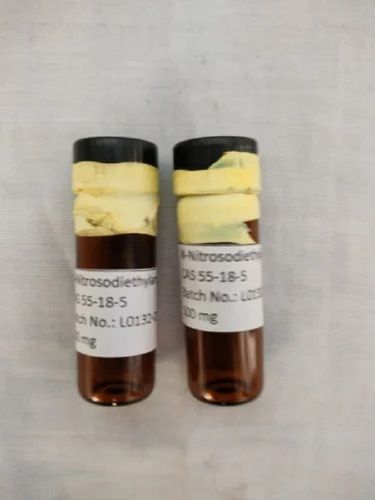
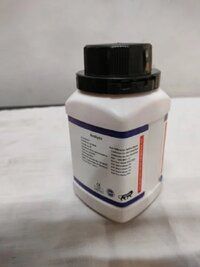
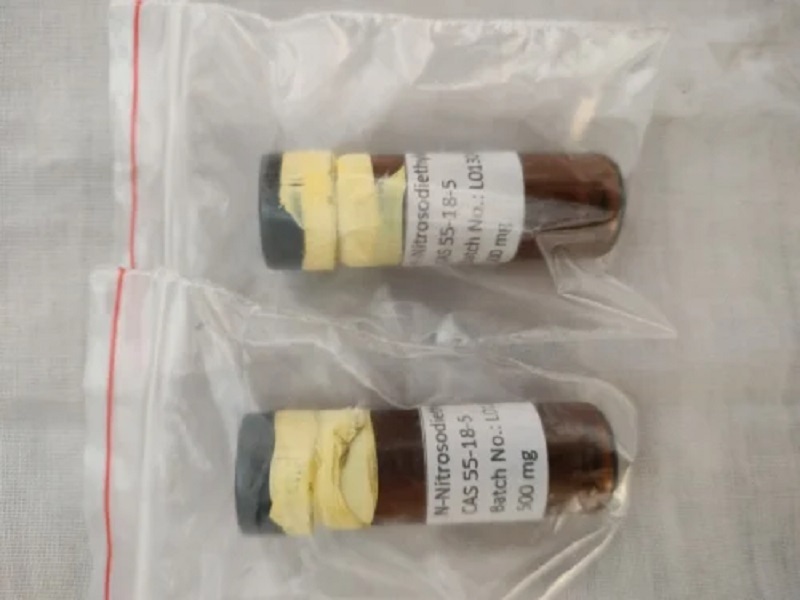
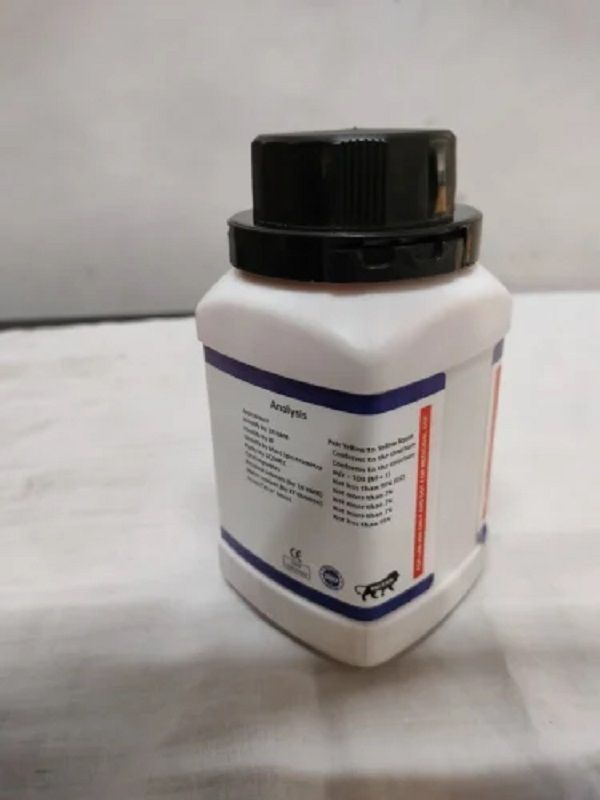
N-Nitrosodiethylamine (NDEA)
16525 INR/Gram
Product Details:
- Purity 99%
- Density 0.89 Gram per cubic centimeter(g/cm3)
- Shelf Life 12 Months
- Melting Point -28 °C
- Usage Reference material, research chemical
- Molecular Weight 102.14 g/mol
- Molecular Formula C4H10N2O
- Click to View more
X
N-Nitrosodiethylamine (NDEA) Price And Quantity
- 1 Gram
- 16525 INR/Gram
N-Nitrosodiethylamine (NDEA) Product Specifications
- C4H10N2O
- Analytical Grade
- Scientific Lab Chemicals
- 12 Months
- -28 °C
- 102.14 g/mol
- Reference material, research chemical
- 55-18-5
- 0.89 Gram per cubic centimeter(g/cm3)
- 99%
- 99
- 68 °C
- Store in a cool, dry, and well-ventilated area away from sources of ignition and oxidizing agents
- 177 °C
- Glass Bottle
- Custom packaging sizes available
- Yellow
- Liquid
- Used as a reference compound in biochemical research and toxicological studies
- UN 1650
- 1.425
- Handle and transport according to local regulations for hazardous chemicals
- 375 °C
- 29211990
- Faint, Nitroso odor
- 200-234-8
- Stable under recommended storage conditions
- Soluble in water, ethanol, and ether
- Carcinogenic, Toxic if swallowed or inhaled
N-Nitrosodiethylamine (NDEA) Trade Information
- Cash Advance (CA), Cash in Advance (CID)
- 100 Gram Per Day
- 10 Days
- Sample costs shipping and taxes has to be paid by the buyer
- Australia, Central America, South America, Western Europe, Middle East, Asia, Eastern Europe, North America, Africa
- Chandigarh, Himachal Pradesh, Tripura, Uttarakhand, Daman and Diu, Dadra and Nagar Haveli, Lakshadweep, Delhi, Gujarat, All India, South India, North India, East India, Andaman and Nicobar Islands, Andhra Pradesh, Assam, Arunachal Pradesh, Bihar, Goa, Haryana, Jammu and Kashmir, Jharkhand, Karnataka, Kerala, Madhya Pradesh, Maharashtra, Mizoram, Meghalaya, Manipur, Nagaland, Punjab, Pondicherry, Rajasthan, Sikkim, Tamil Nadu, Telangana, Uttar Pradesh, West Bengal, Central India, Odisha, West India, Chhattisgarh
Product Description
N-Nitrosodiethylamine (NDEA) is an organic compound with the formula Et2NNO (Et = C2H5). A member of the nitrosamines, it is a light-sensitive, volatile, clear yellow oil that is soluble in water, lipids, and other organic solvents. It has an amine or aromatic odor. It is used as gasoline and lubricant additive, antioxidant, and stabilizer for industry materials. When heated to decomposition, N-nitrosodiethylamine emits toxic fumes of nitrogen oxides. N-Nitrosodiethylamine affects DNA integrity, probably by alkylation, and is used in experimental research to induce liver tumorigenesis.[2] It is carcinogenic and mutagenic.[3] NDEA has also been found to perturb amino acid biosynthesis including arginine, as well as DNA damage repair and mitochondrial genome maintenance in yeast.Accurate Reference Material for Research
N-Nitrosodiethylamine is tailored for use as a precise reference standard in laboratory settings, particularly in studies that explore biochemical and toxicological properties. Its high purity and stability make it a trusted compound in experimental protocols, ensuring reliable and reproducible results during scientific analysis.
Safe Storage and Handling Practices
This chemical demands strict handling practices due to its toxicity and carcinogenic nature. Storage should be in a cool, dry, and well-ventilated area, far from oxidizing agents and heat sources. NDEA is shipped in secure glass bottles and must be managed in compliance with local and international hazardous substance guidelines.
FAQ's of N-Nitrosodiethylamine (NDEA):
Q: How should N-Nitrosodiethylamine (NDEA) be safely handled and stored in the laboratory?
A: NDEA must be handled in a fume hood, with appropriate personal protective equipment including gloves and eyewear, due to its toxicity and carcinogenic potential. Store the chemical in a tightly sealed glass bottle, in a cool, dry, and well-ventilated area, away from ignition sources and oxidizing agents.Q: What are the primary research applications of N-Nitrosodiethylamine?
A: NDEA is primarily utilized as a reference material in biochemical research and toxicological studies. It serves as a control compound in experiments assessing nitrosamine-induced toxicology and is valuable for validating analytical methods involving carcinogenic compounds.Q: When is it appropriate to use NDEA in an experimental context?
A: NDEA is used when precise calibration of analytical instruments or toxicological models is needed, such as in research examining carcinogenic mechanisms or assessing the efficacy of detection methods for nitrosamines in environmental or biological samples.Q: Where can NDEA be procured, and in what packaging sizes?
A: NDEA is available through distributors, importers, manufacturers, suppliers, and traders, especially in India. It is offered in custom packaging sizes, typically in secure glass bottles, to meet varied laboratory requirements.Q: What is the process for transporting NDEA, and what regulations must be observed?
A: Transport of NDEA must adhere to local and international hazardous chemical regulations, as specified by its UN Number 1650. Proper labeling, packaging, and documentation are mandatory, with shipping in well-protected glass bottles to minimize risks during transit.Q: What are the key benefits of using NDEA in laboratory research?
A: Key benefits include its high purity, stable performance under recommended storage, and its established role as a reference compound for accurate analysis in both biochemical and toxicological research, contributing to trustworthy and reproducible scientific data.Tell us about your requirement

Price:
Quantity
Select Unit
- 50
- 100
- 200
- 250
- 500
- 1000+
Additional detail
Mobile number
Email

Other Products in 'Laboratory Chemicals' category

 Send Inquiry
Our Products
- Laboratory Chemicals
- Metal Powder
- Industrial Chemicals
- Pharmaceutical Chemicals
- Industrial Acid
- Calcium Carbonate
- Ph Indicator Paper
- Isopropyl Alcohol
- Ph Testing Paper
- Fertilizers
- Chemical Test Kits
- Insecticides
- Starch Powder
- Laboratory Reagents
- Chemical Dyes
- Chemical Liquid
- Acetic Acid
- Reactive Dyes
- Speciality Chemicals
- Chemical Compound
- Indicators
- Fine Chemicals
- LIQUID LAB CHEM
- Chemical Powder
- Api Intermediate
- Potassium Salts
- Intermediates
- Specialty Chemical
- Sodium Salts
- Silver Salts
- Pharmaceutical Intermediates
- Water Treatment Chemicals
- Pharma Intermediates
- Cosmetic Chemicals
- Pyridine Derivatives
- Active Pharmaceutical Ingredients
- Laboratory Equipment
- Chemical
- CALCIUM SALTS
- Acids
- Liquid Chemical
- Dyes Intermediates
- Laboratory Glassware
- SPE CHEMICAL
- Organic Chemicals
- Benzene
- Chemical Solvent
- Acetophenone


Plot No. 1411, Shop No. S-17, Second Floor, Global Trade Centre, Mega Chowkdi,Ankleshwar - 393002, Gujarat, India

Mr Uttambhai Vaghasiya
(Partner)
Mobile :07315122648
 Send Inquiry
 Send SMS
Developed and Managed by Infocom Network Private Limited.
 English
 Spanish
 French
 German
 Italian
 Chinese (Simplified)
 Japanese
 Korean
 Arabic
 Portuguese