
Call us now :07315122648
 Send Inquiry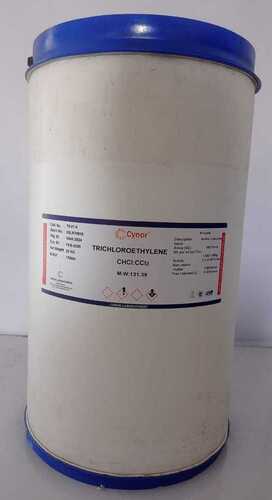
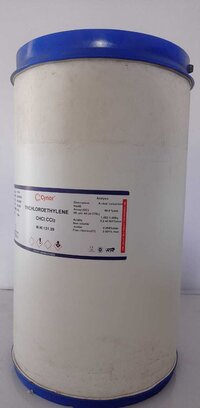
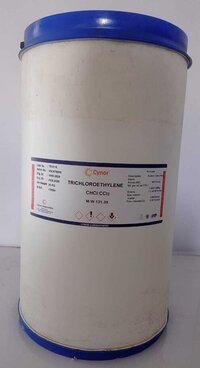
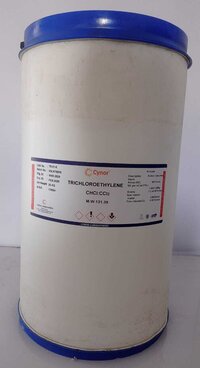
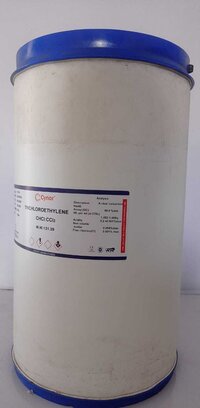
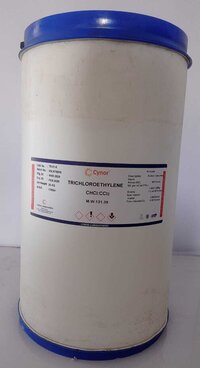
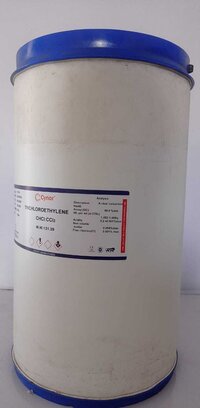
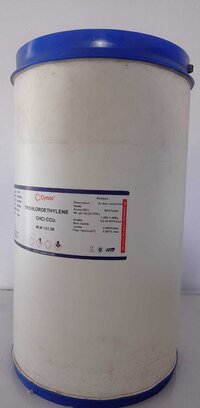
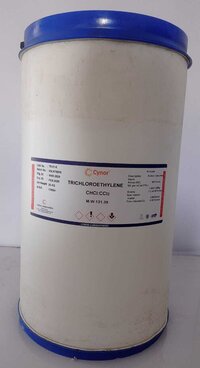
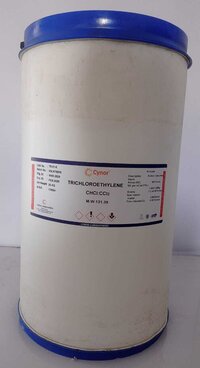
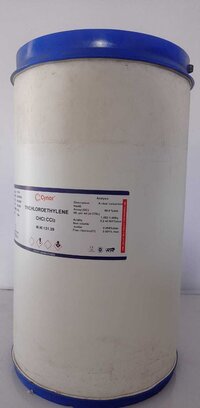
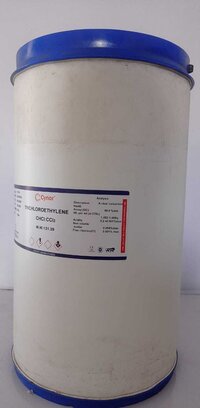
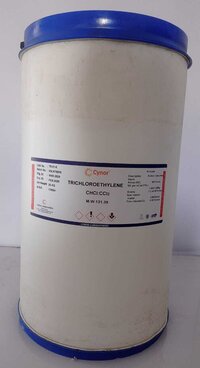
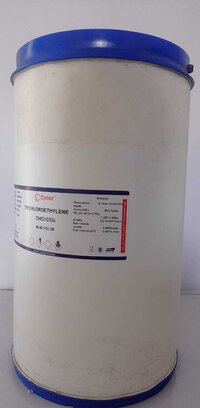
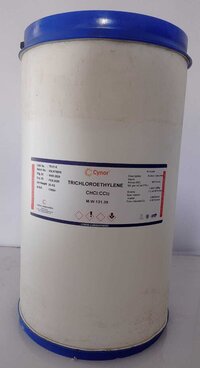
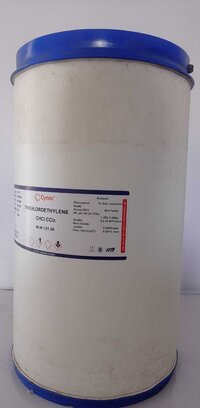
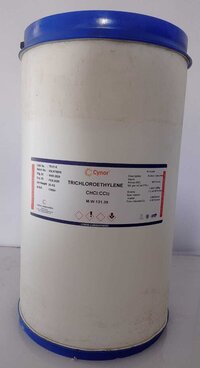
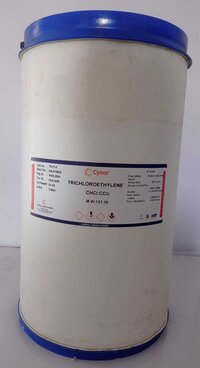
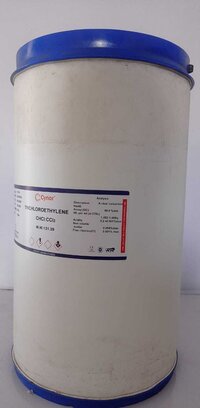
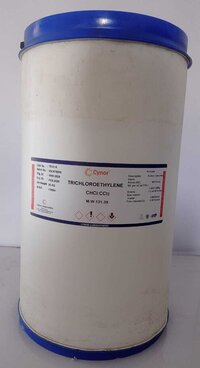
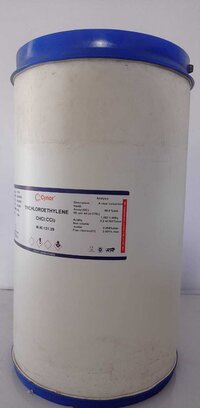
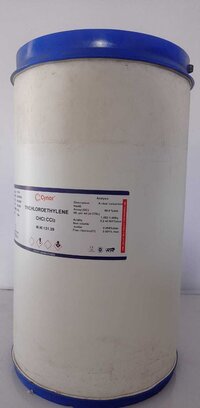
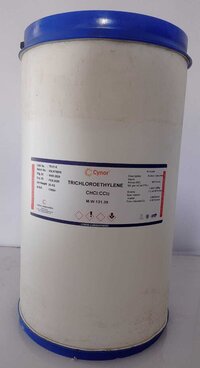
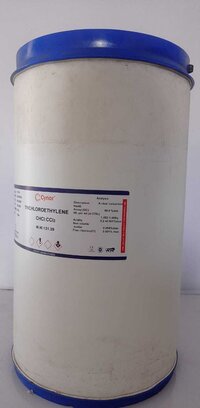
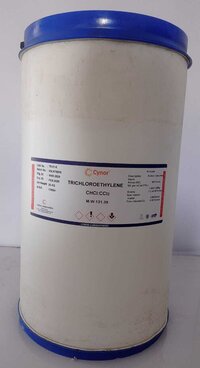
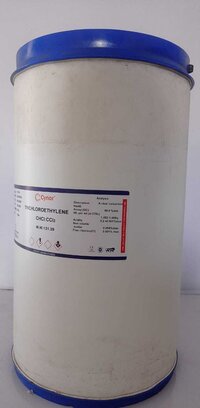
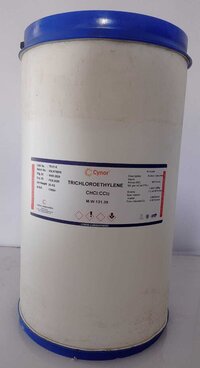
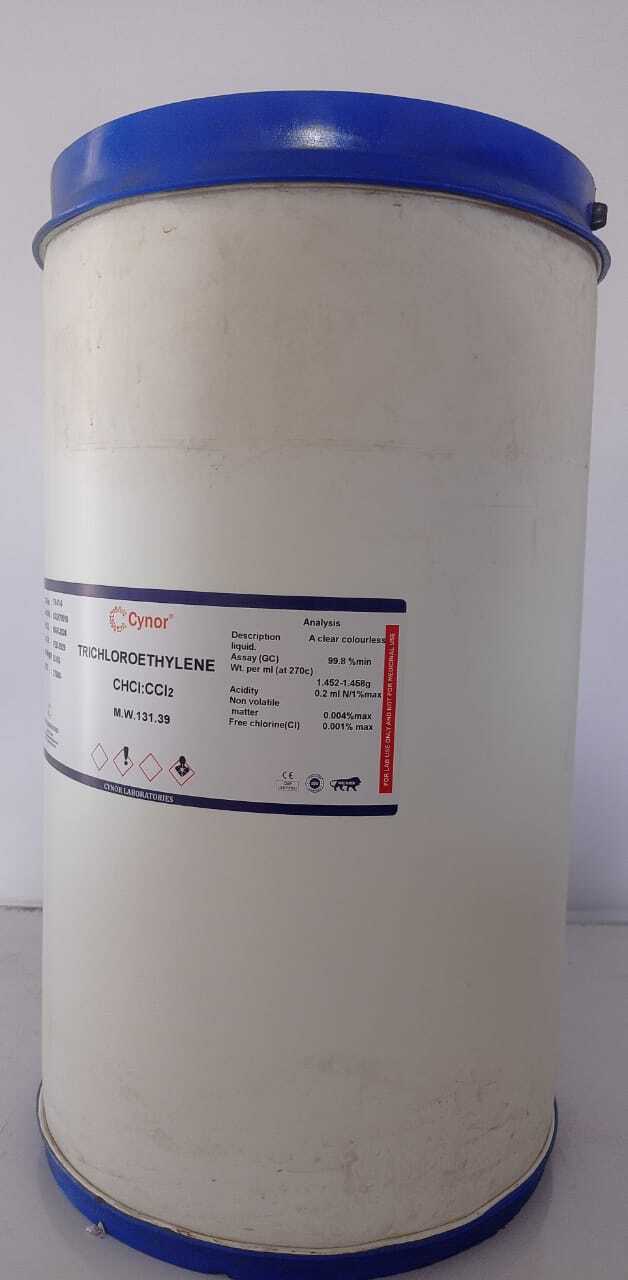
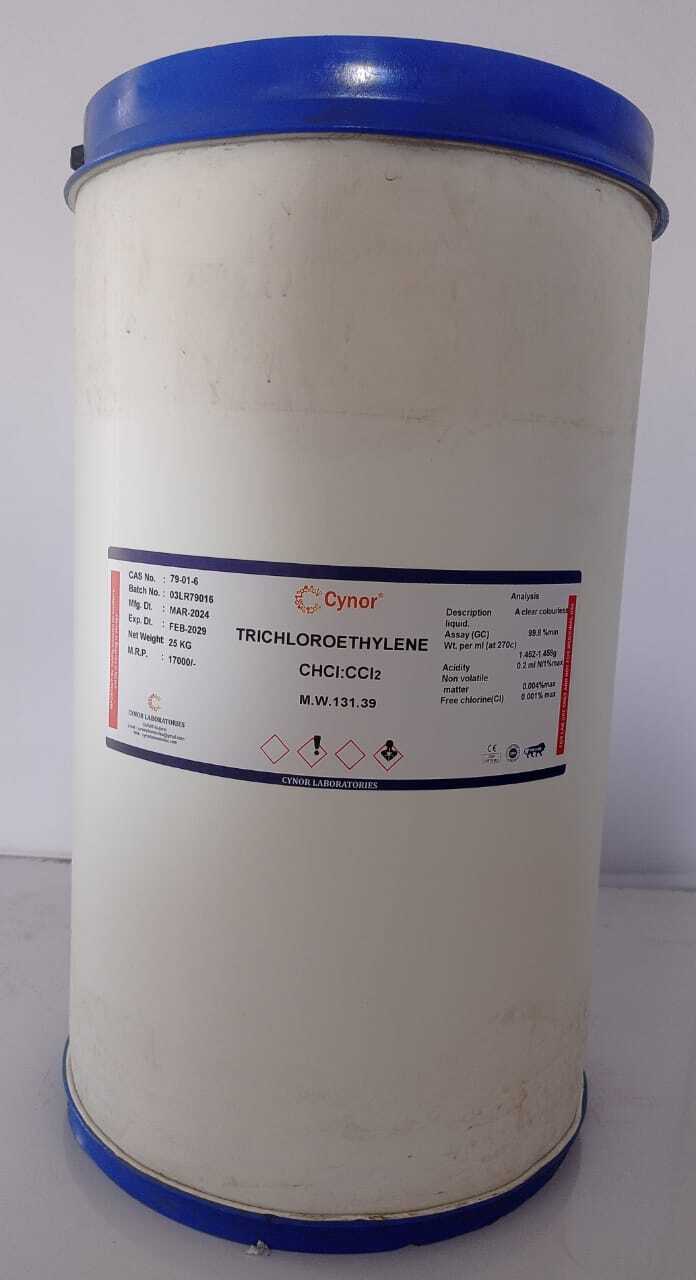
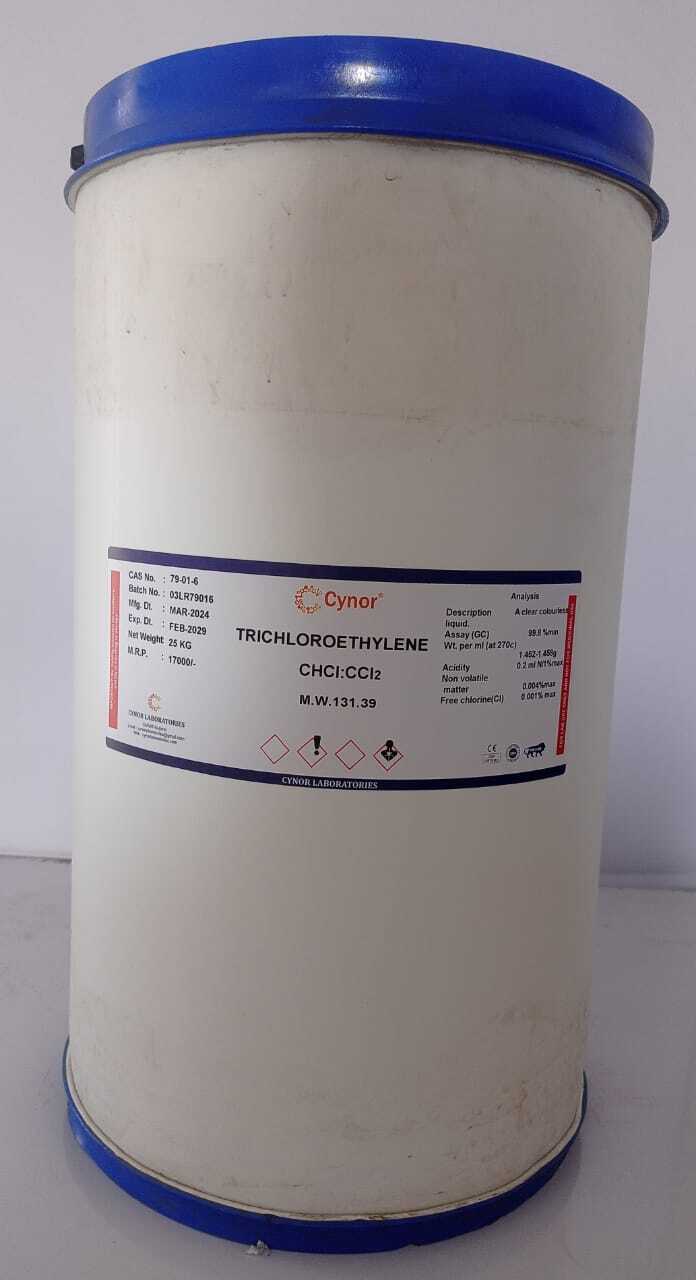
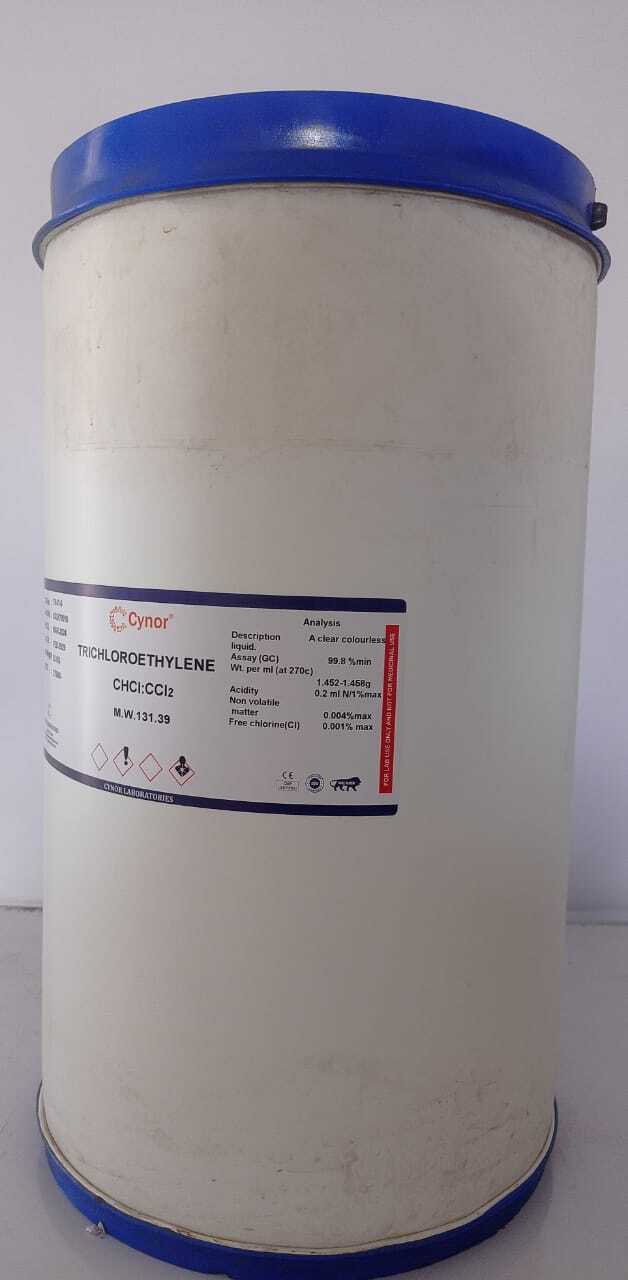
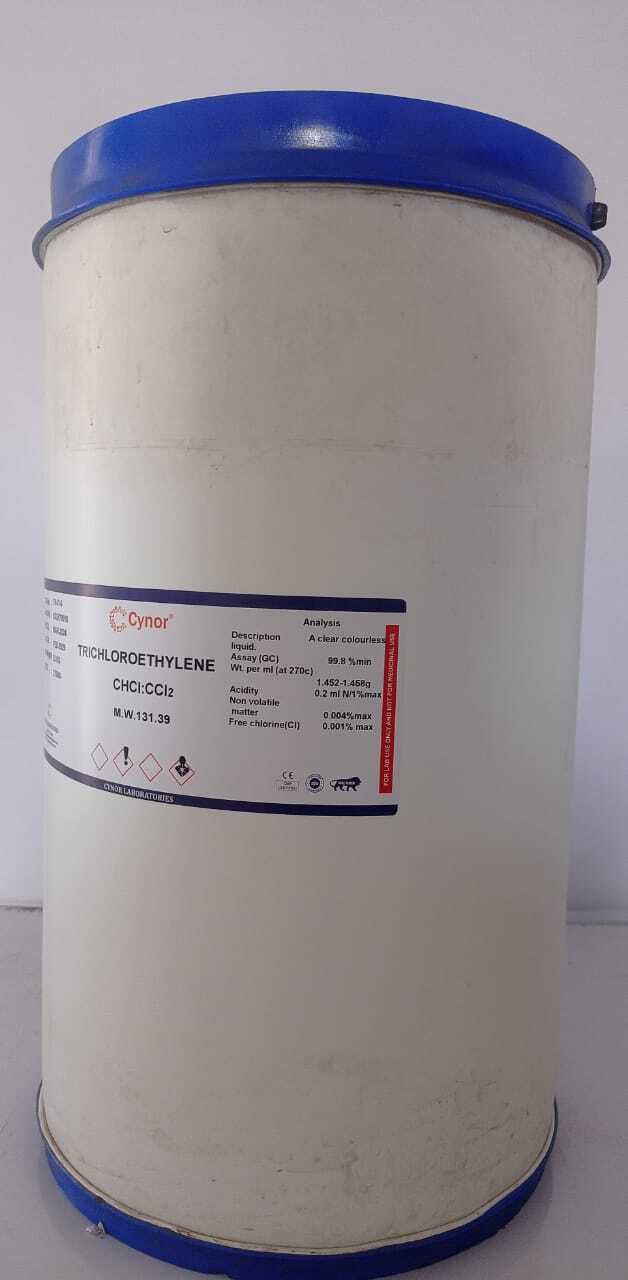
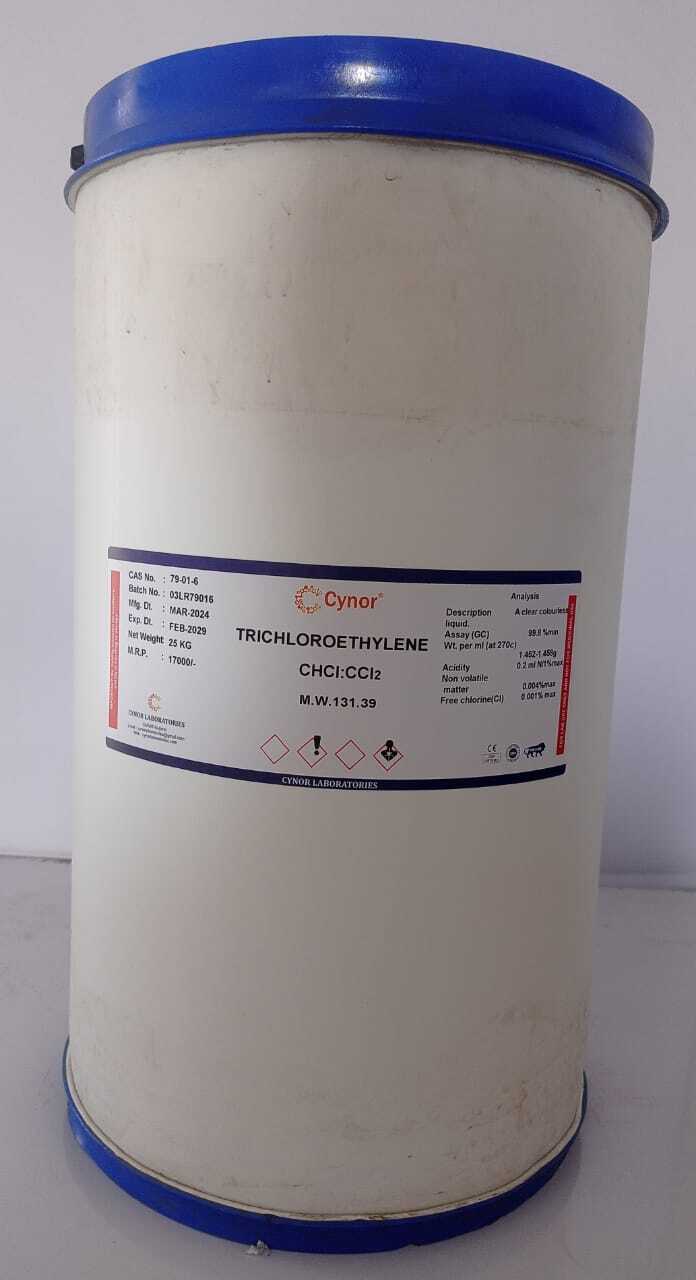
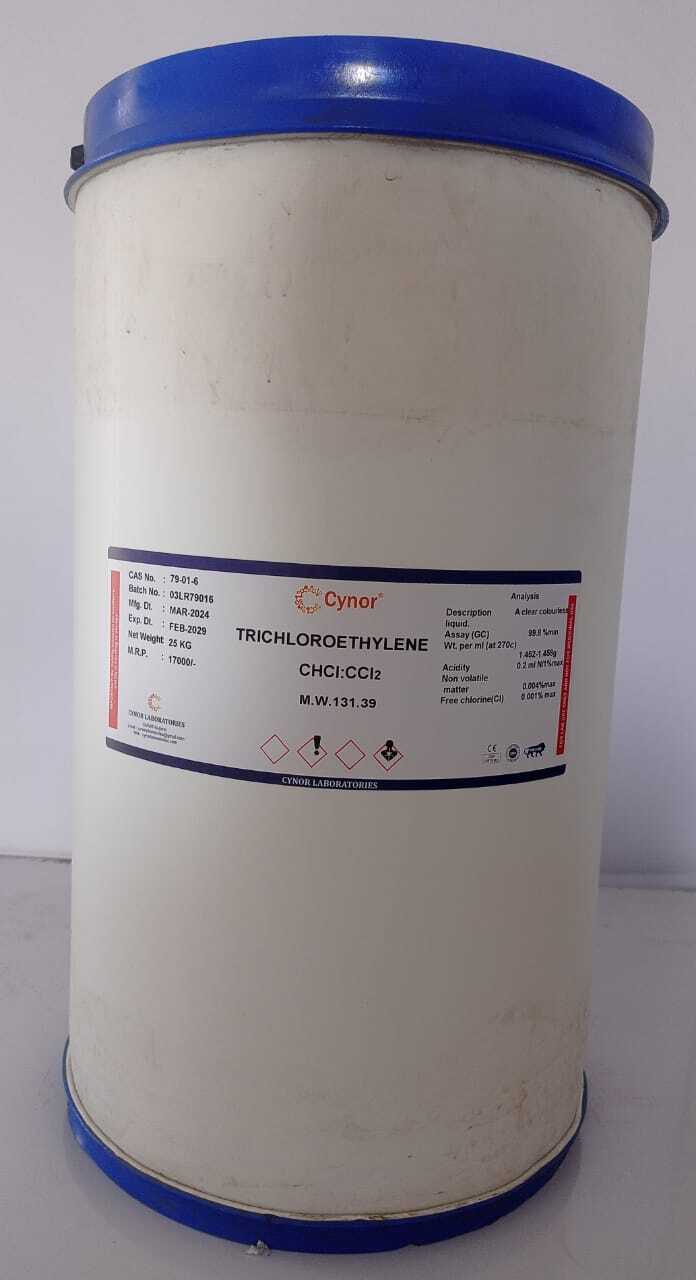
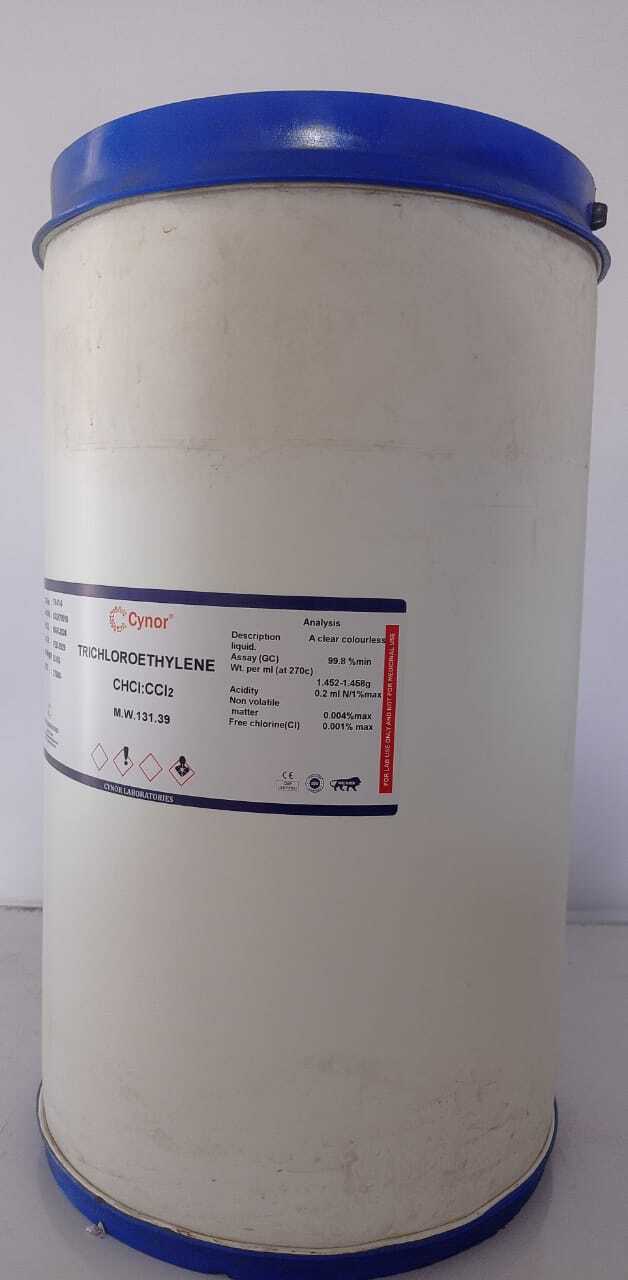
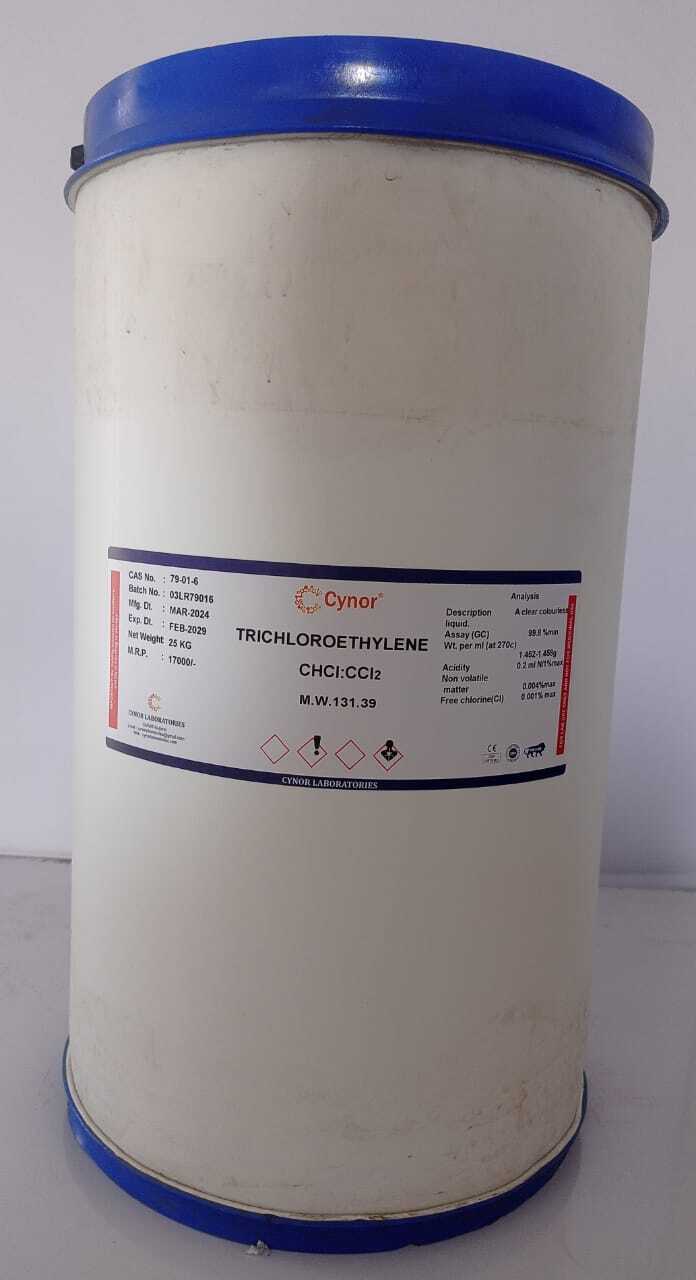
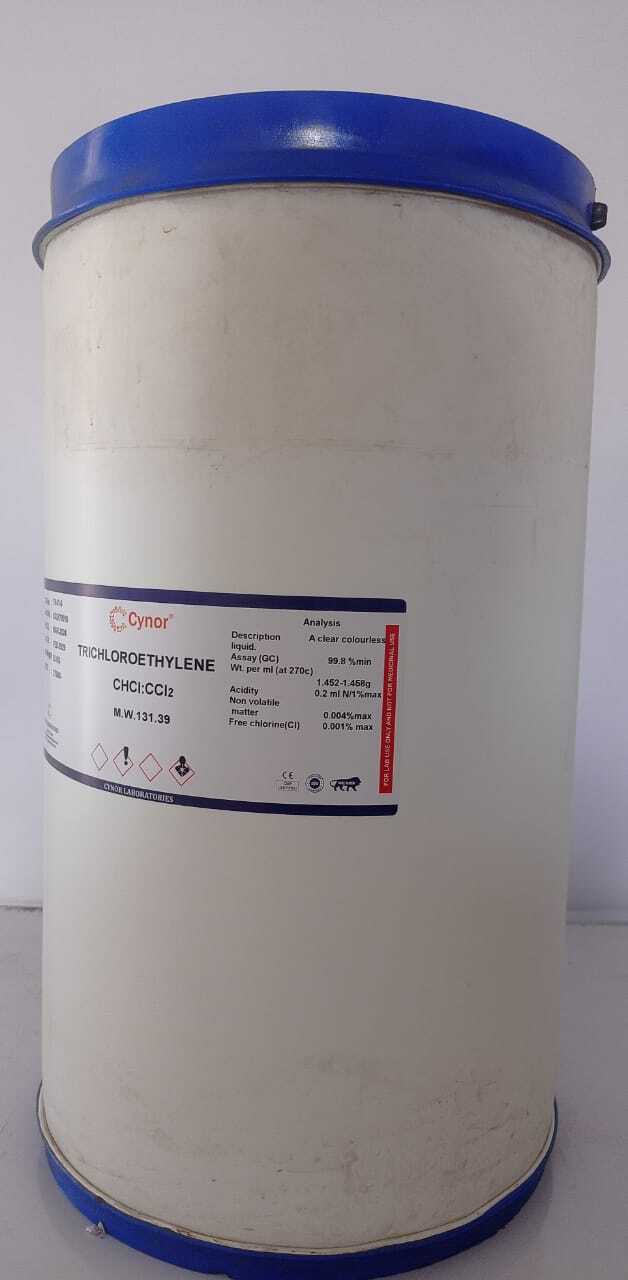
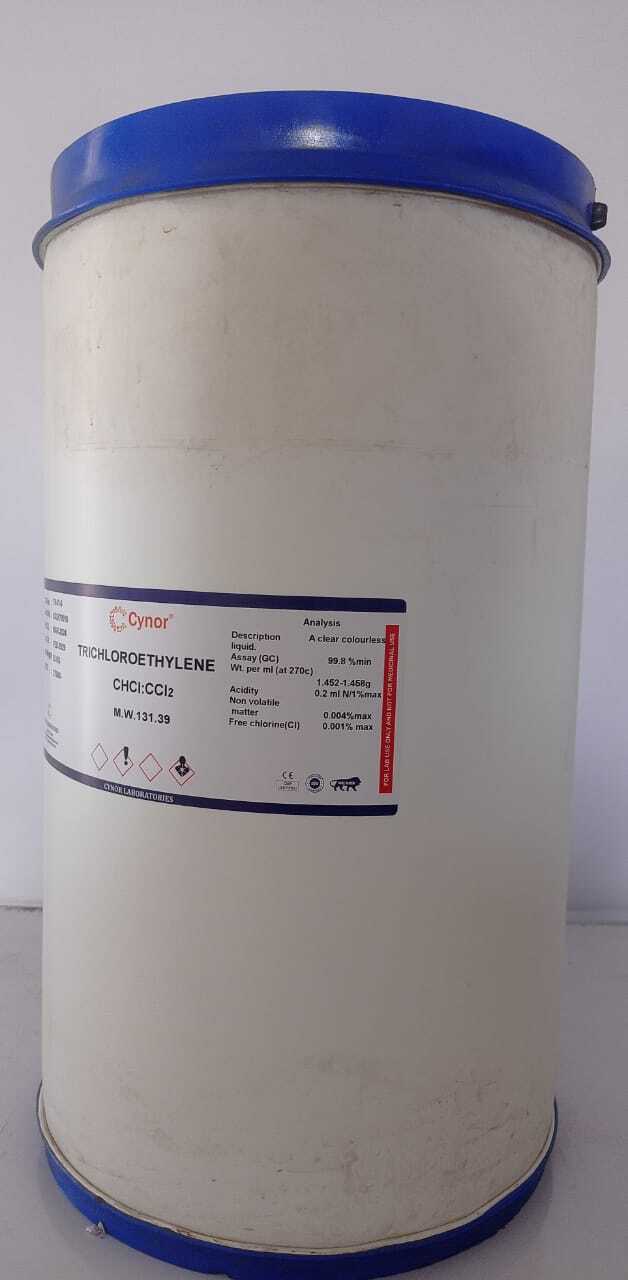
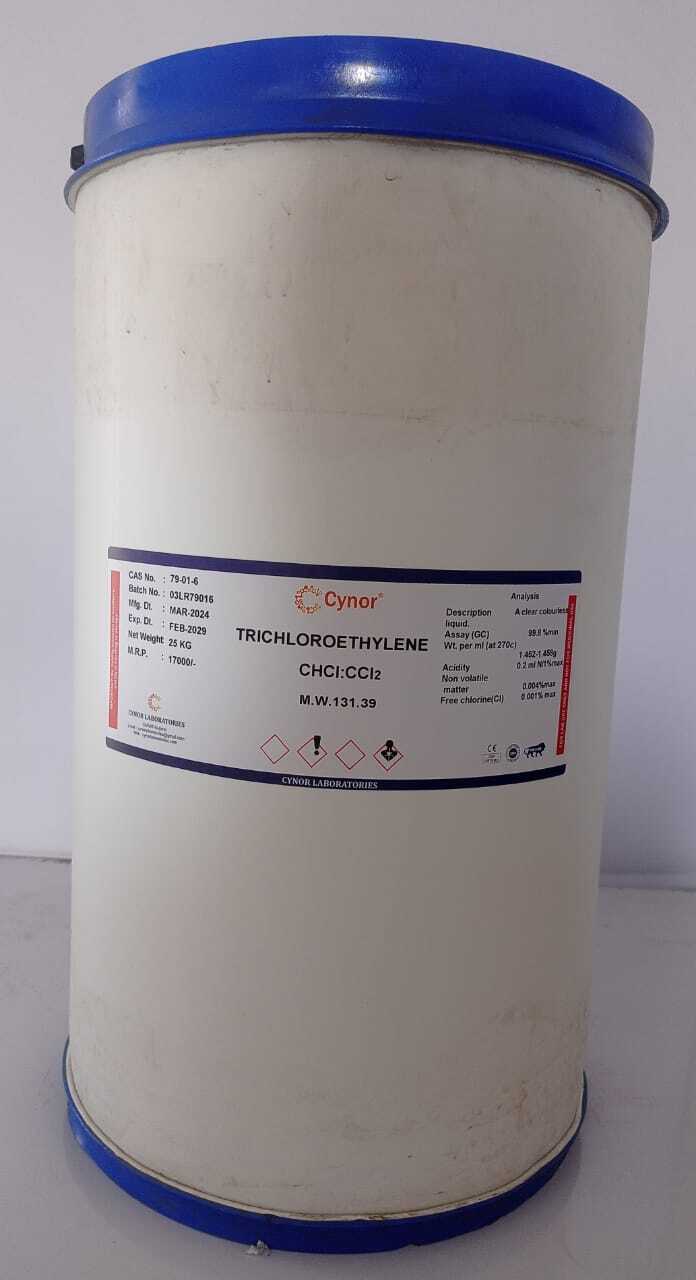
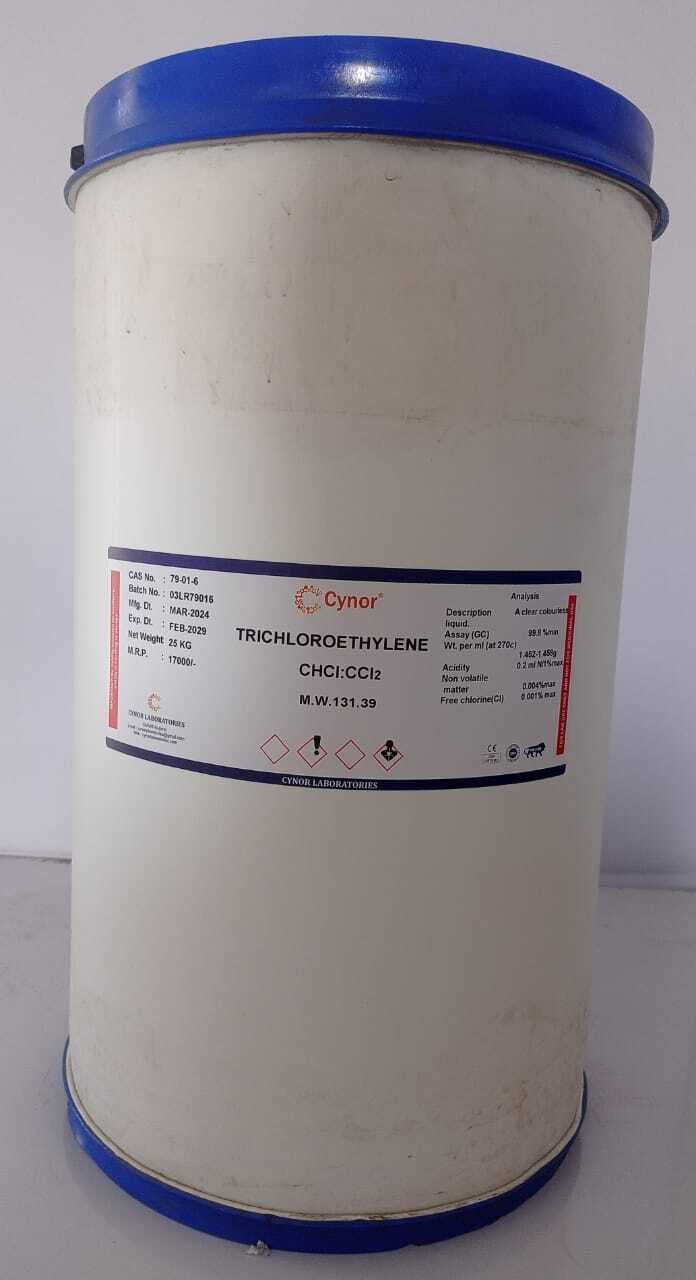
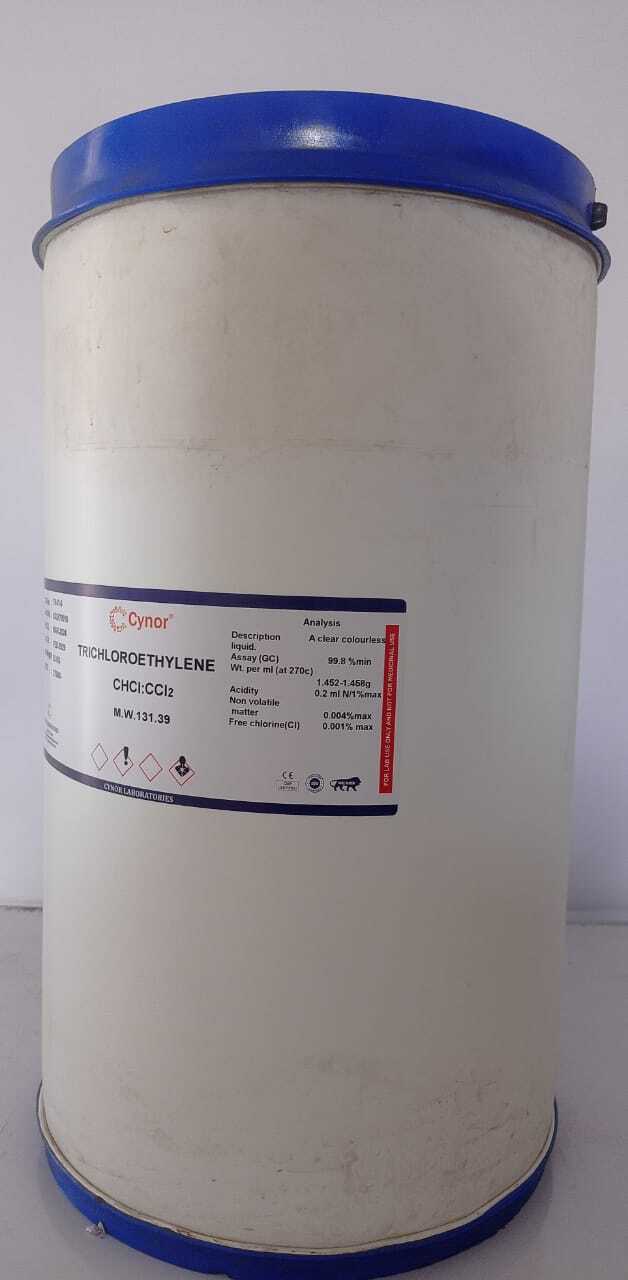
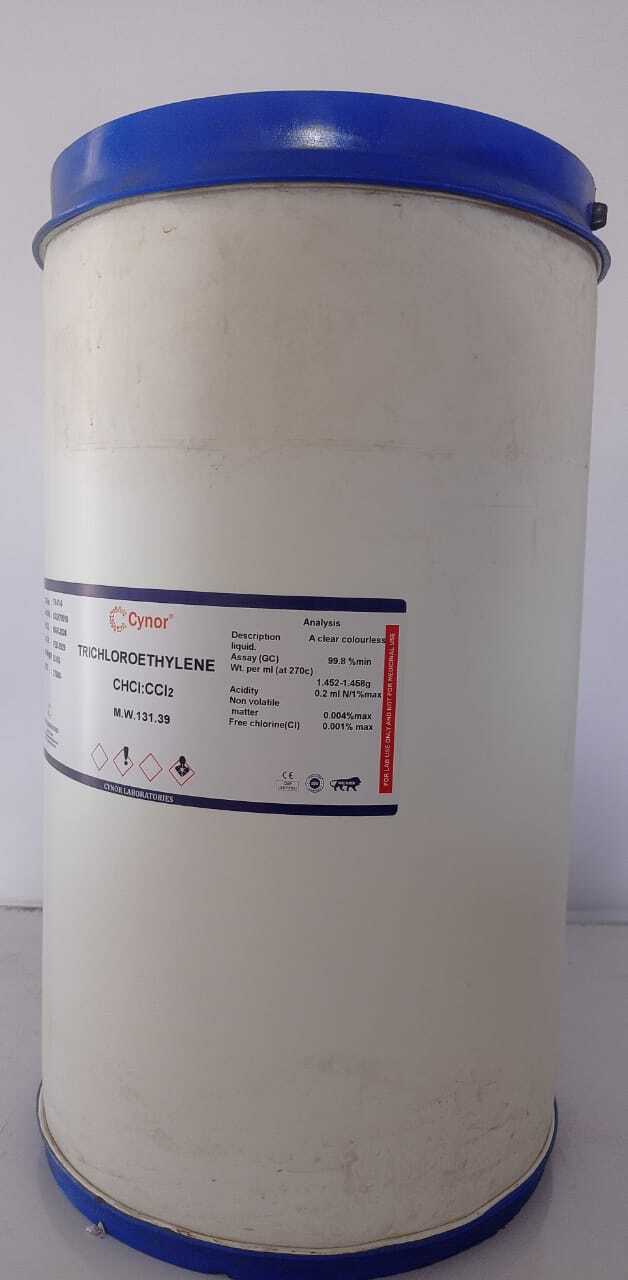
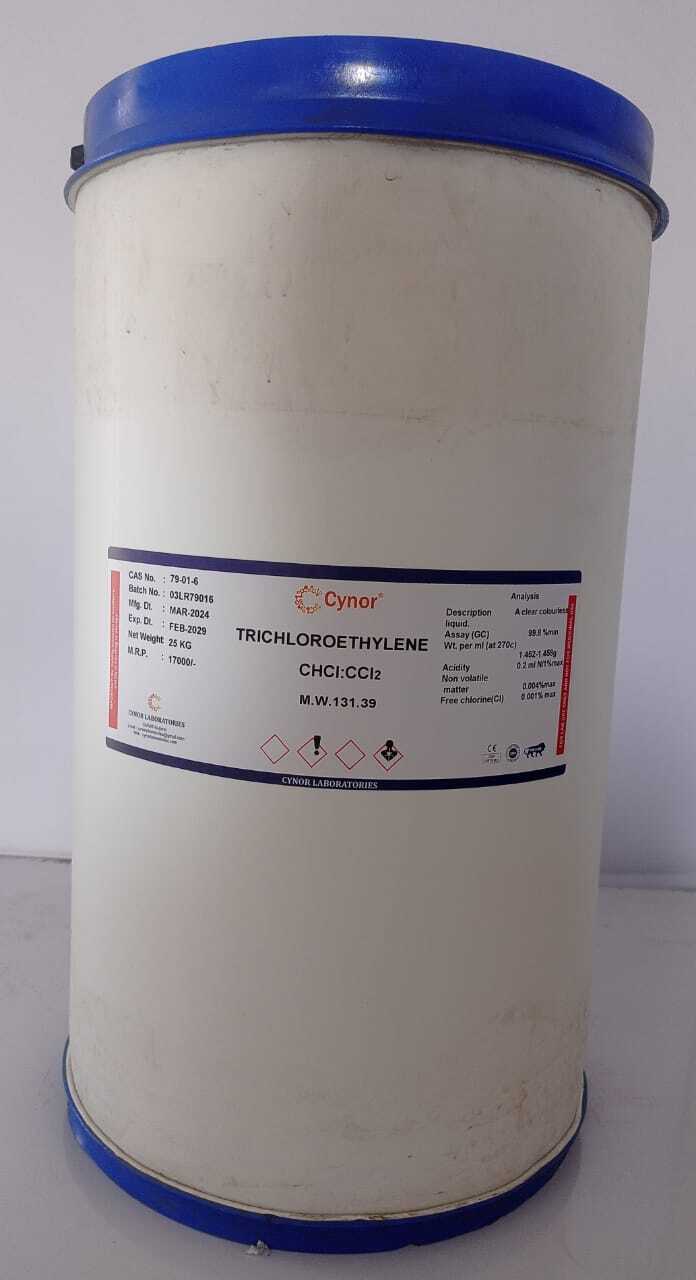
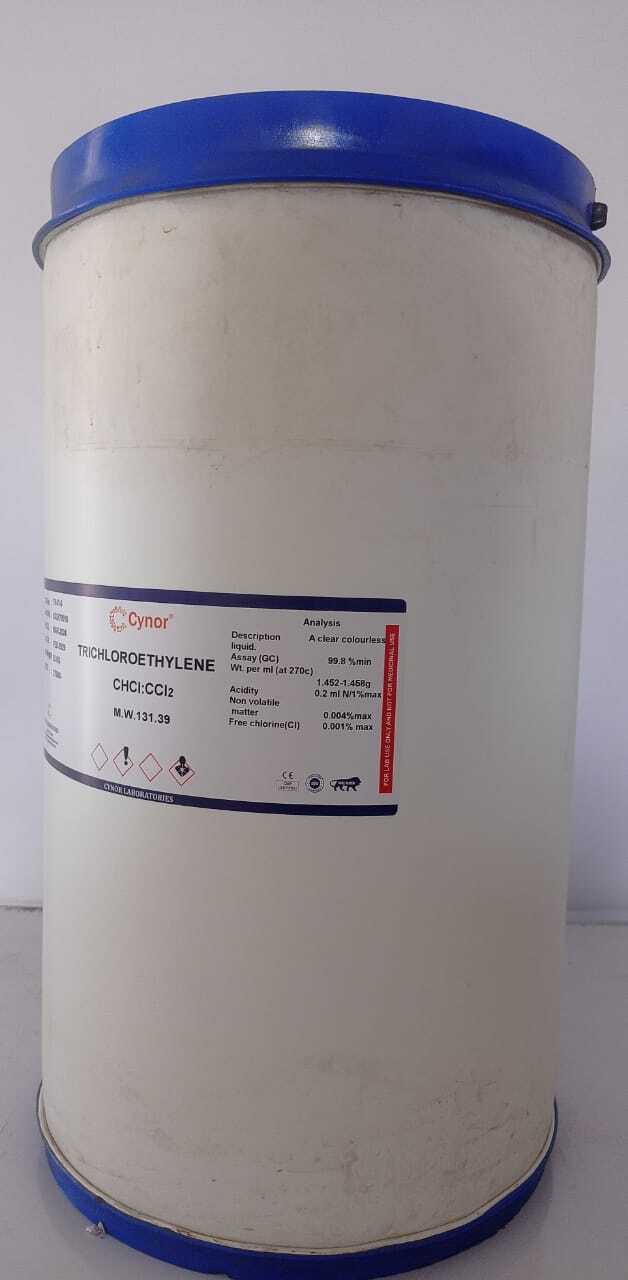
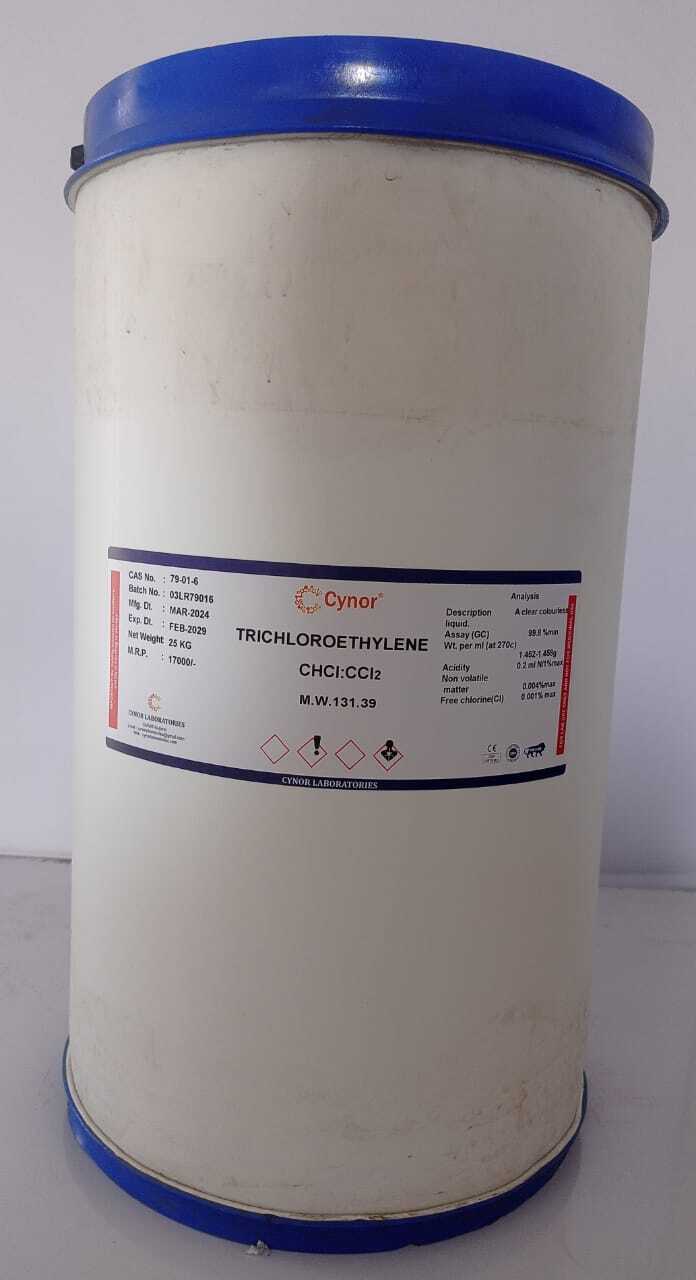
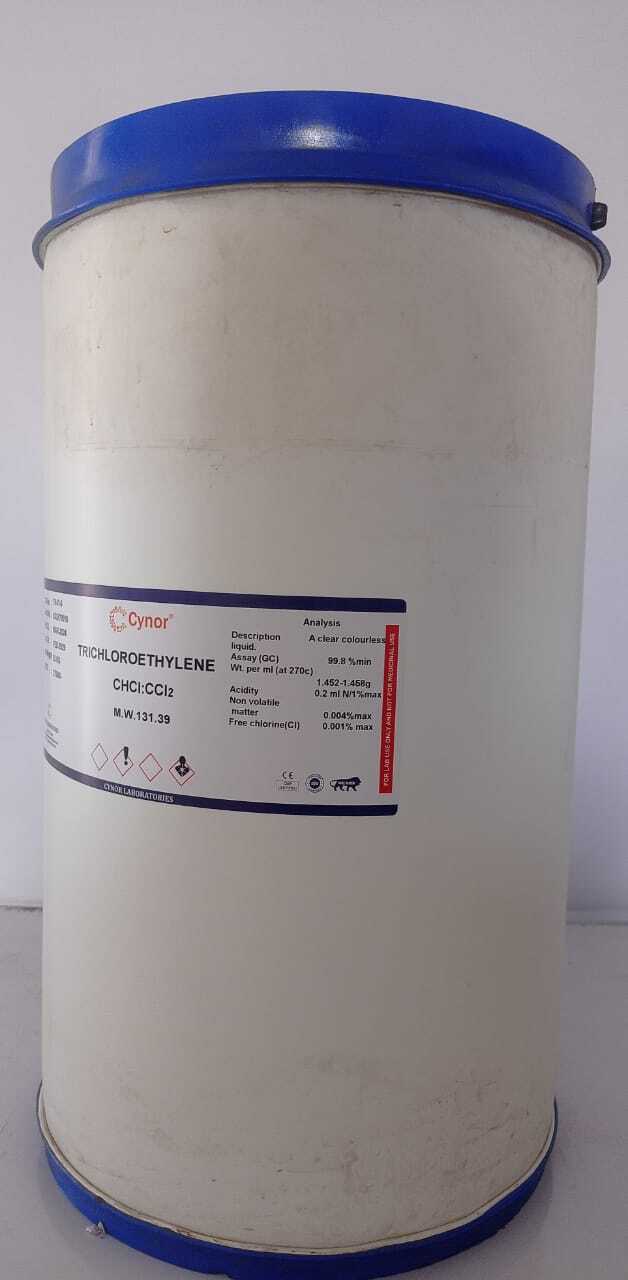
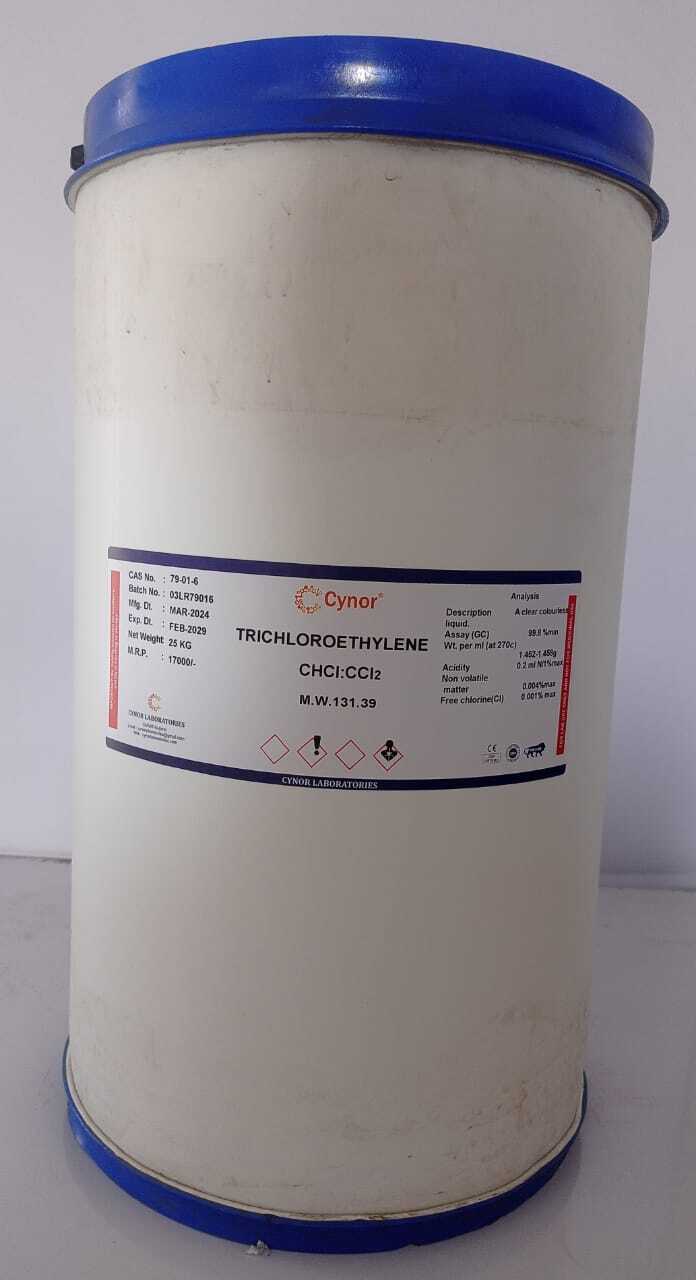
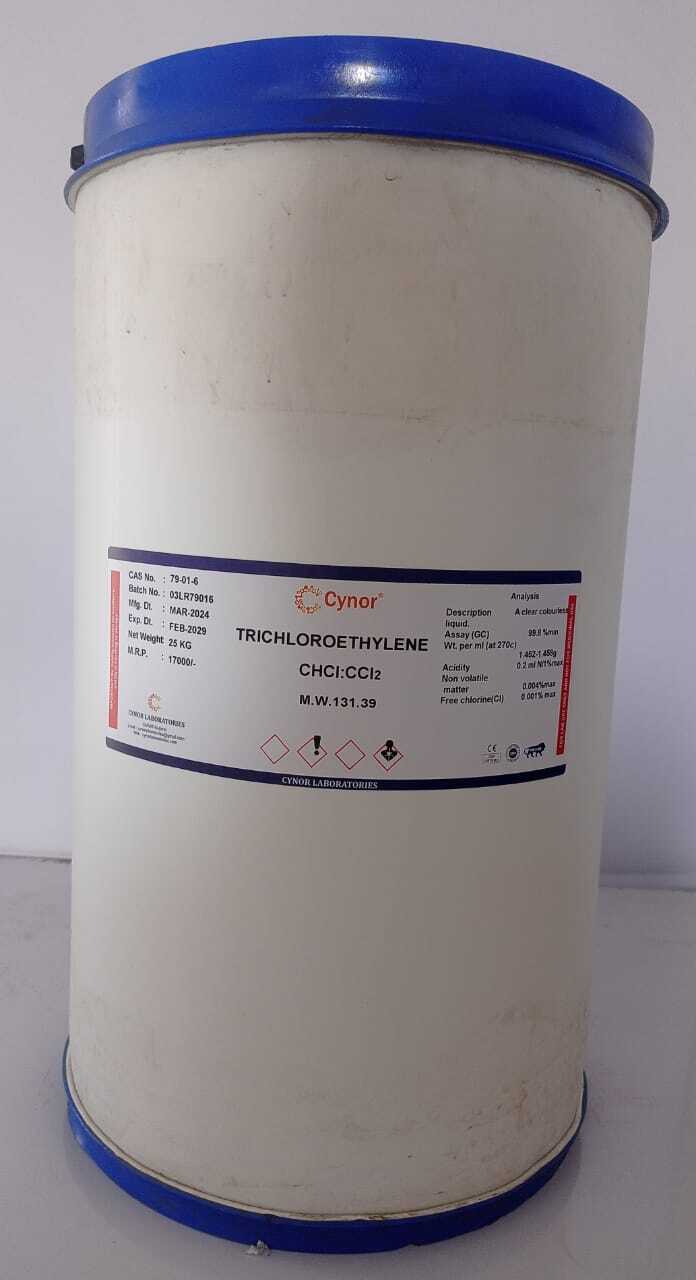
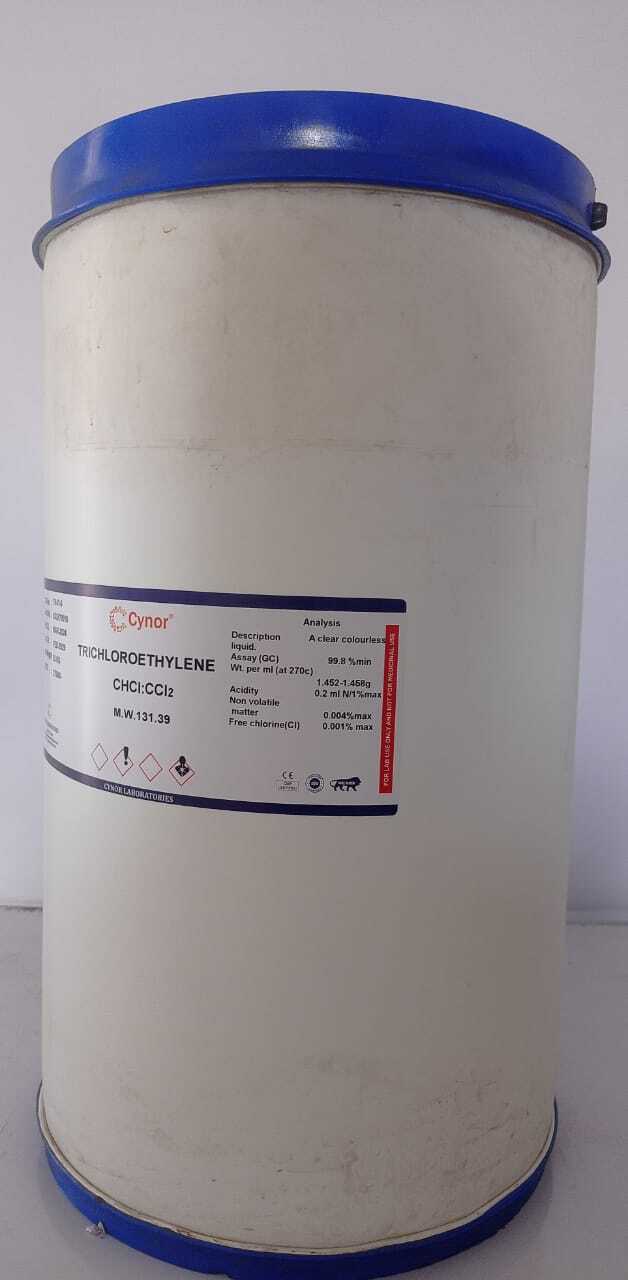
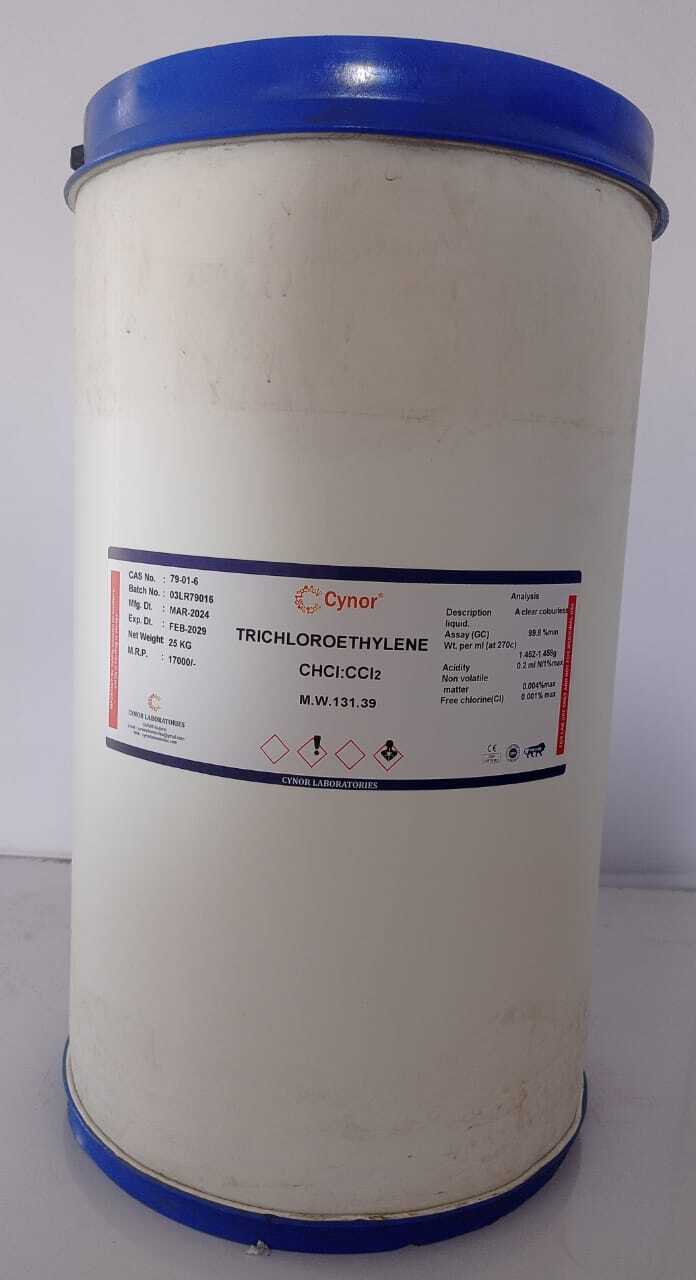
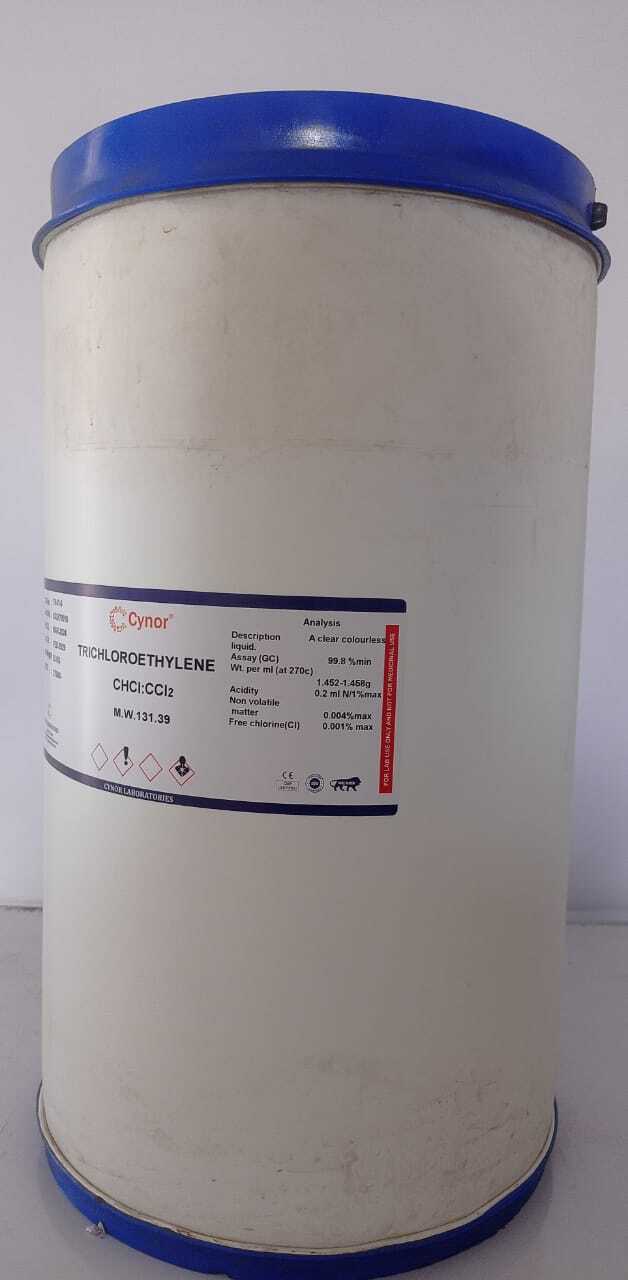
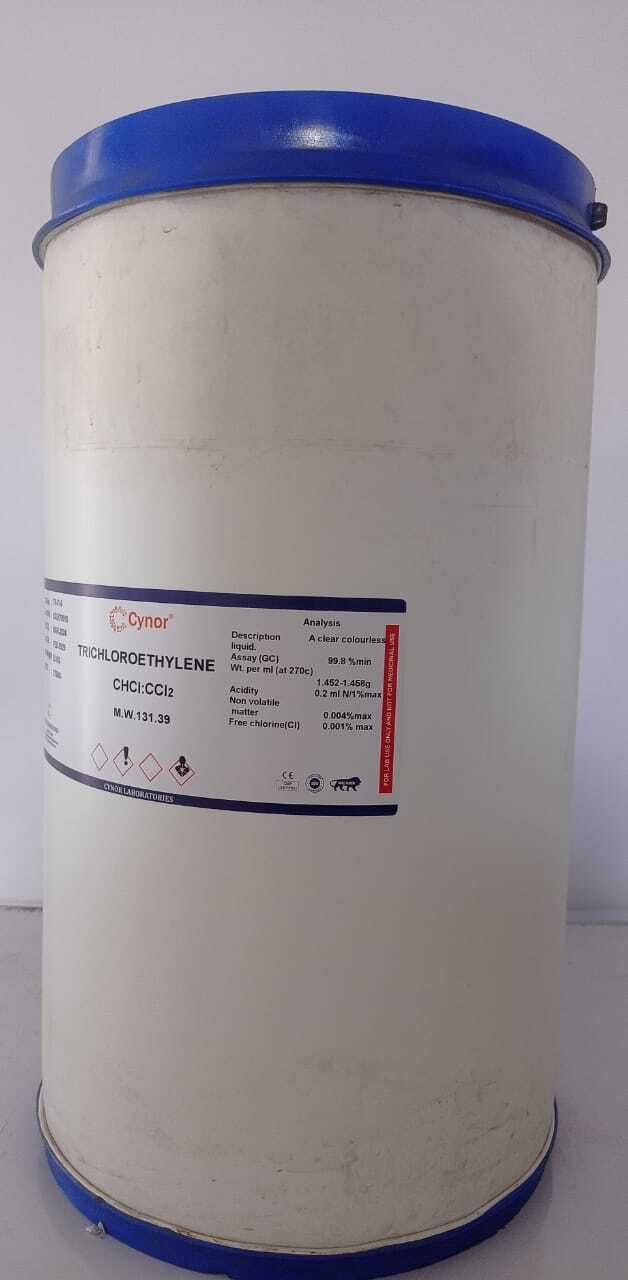
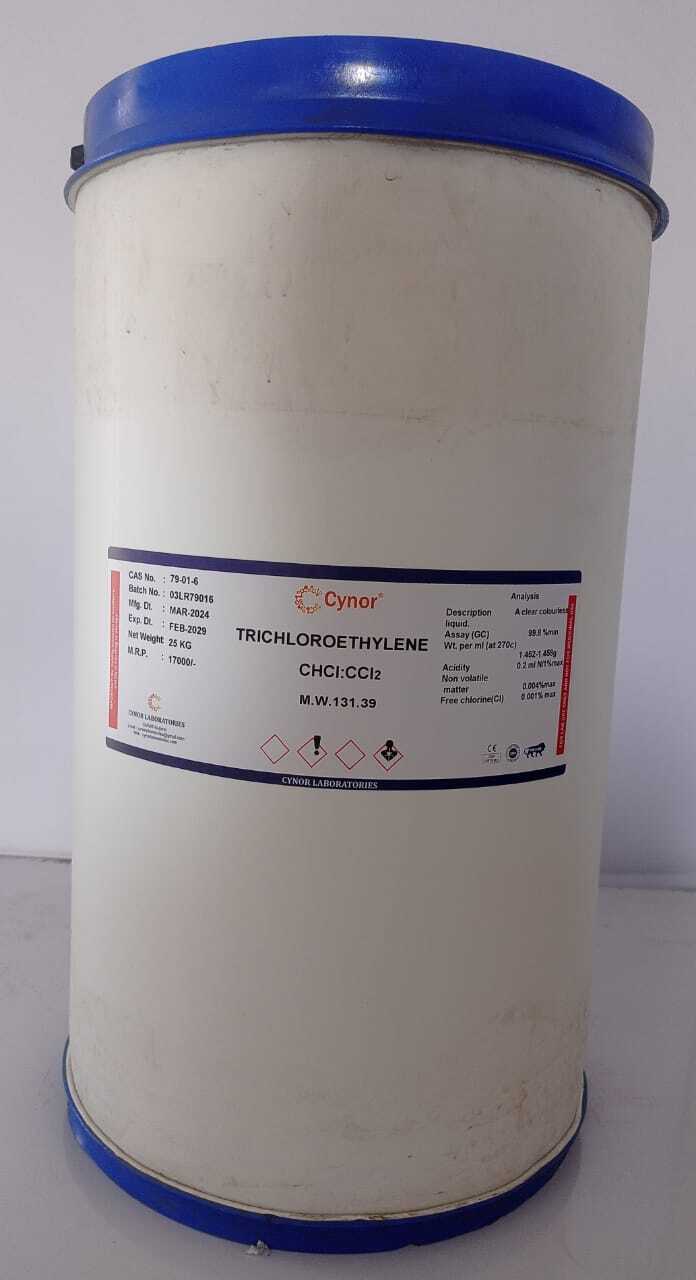
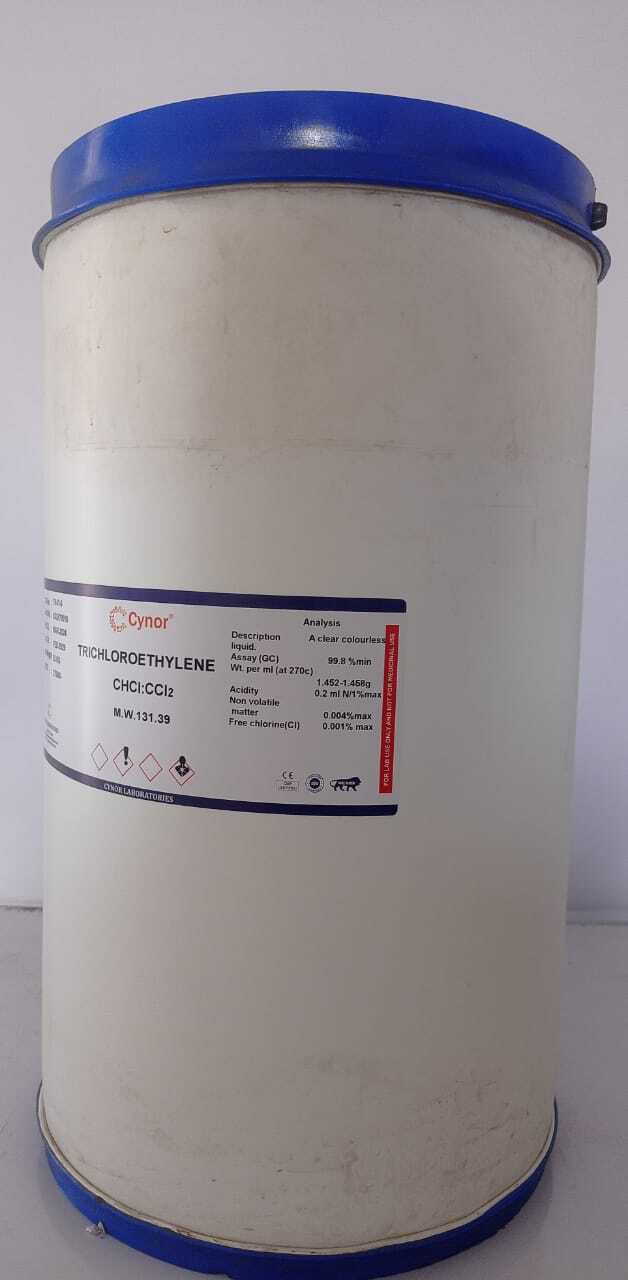
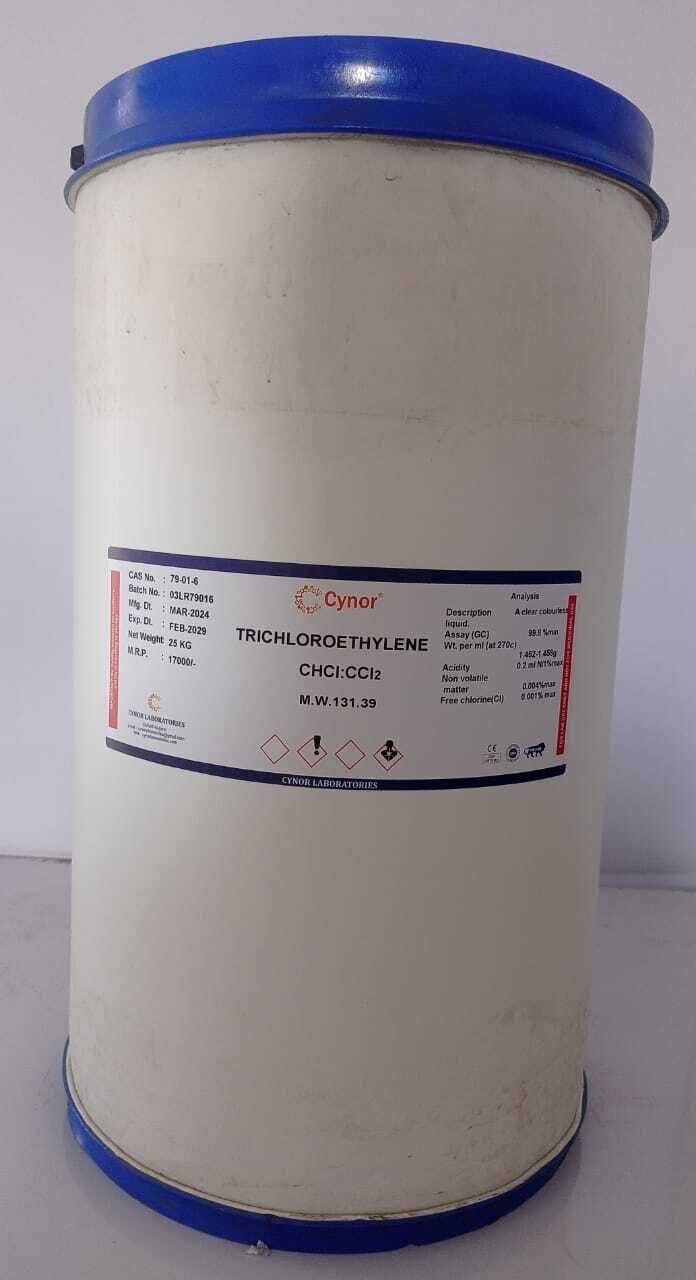
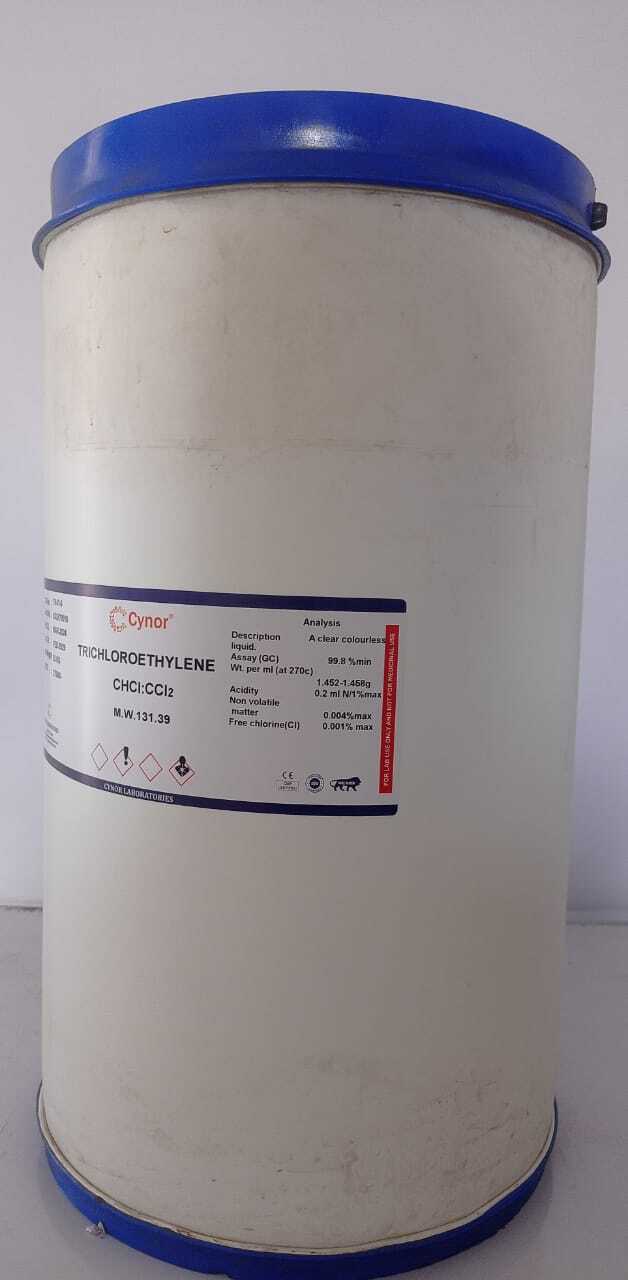
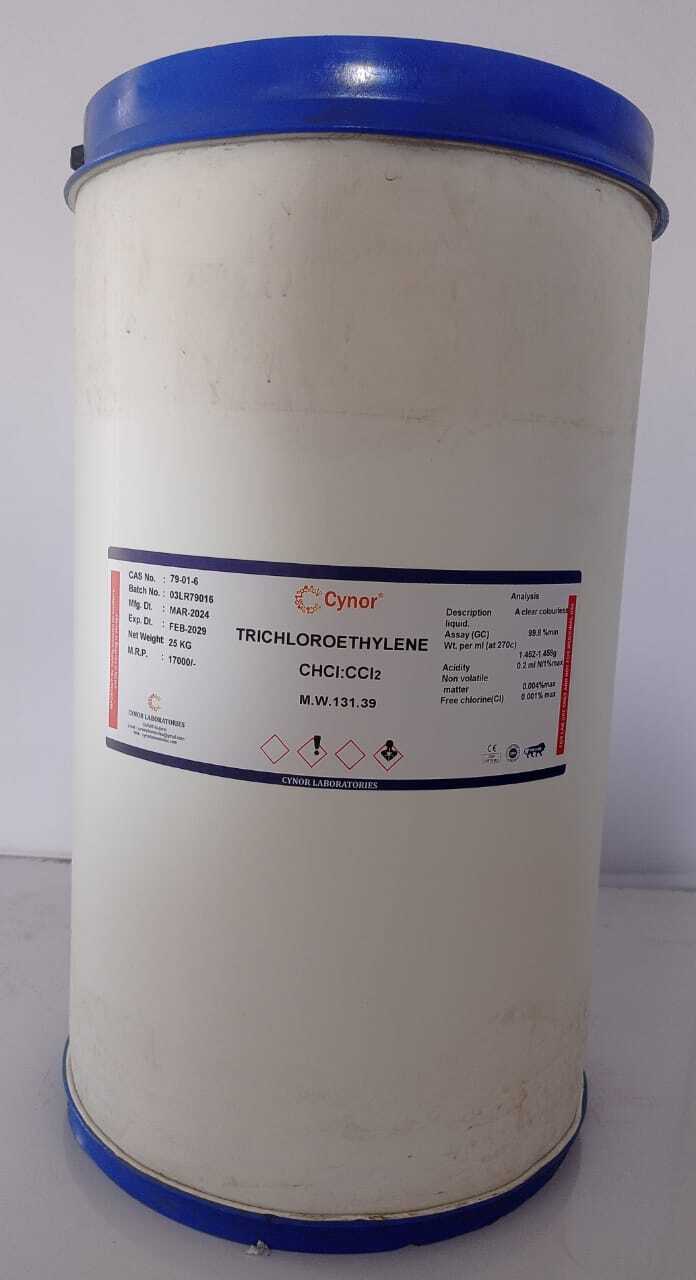
TRICHLOROETHYLENE (25 KG)
17000 INR/Bottle
Product Details:
- Usage Industrial cleaning, Metal degreasing, Chemical synthesis
- Shelf Life 2 Years
- Melting Point -86.7°C
- Physical State Liquid
- Density 1.46 Gram per cubic centimeter(g/cm3)
- Boiling point 87.2°C
- Storage Instructions Store in a cool, dry, well-ventilated place away from sources of ignition
- Click to View more
X
TRICHLOROETHYLENE (25 KG) Price And Quantity
- 1 Bottle
- 17000 INR/Bottle
TRICHLOROETHYLENE (25 KG) Product Specifications
- Industrial cleaning, Metal degreasing, Chemical synthesis
- 131.39 g/mol
- 79-01-6
- C2HCl3
- 2 Years
- Neutral
- None (non-flammable)
- Drum
- 99.8%
- -86.7°C
- Industrial Grade
- Clear liquid
- Liquid
- Solvent
- 87.2°C
- 99.8%
- 1.46 Gram per cubic centimeter(g/cm3)
- Store in a cool, dry, well-ventilated place away from sources of ignition
- 25 KG
- Degreasing, Extraction, Cleaning agent
- 420°C
- UN1710
- 201-167-4
- Slightly soluble
- Harmful if inhaled, can cause drowsiness or dizziness
- 58 mmHg (at 20°C)
- Sweet, Chloroform-like
- Personal protective equipment required, use only in well ventilated area
- 29032200
- 1.477 at 20°C
Product Description
Trichloroethylene (TCE) is a halocarbon with the formula C2HCl3, commonly used as an industrial degreasing solvent. It is a clear, colourless, non-flammable, volatile liquid with a chloroform-like pleasant mild smell[3] and sweet taste.[9] Its IUPAC name is trichloroethene. Trichloroethylene has been sold under a variety of trade names. Industrial abbreviations include TCE, trichlor, Trike, Tricky and tri. Under the trade names Trimar and Trilene, it was used as a volatile anesthetic and as an inhaled obstetrical analgesic. It should not be confused with the similar 1,1,1-trichloroethane, which is commonly known as chlorothene.
Versatile Industrial Solvent
Trichloroethylene is recognized for its efficacy in metal degreasing, industrial cleaning, and as an extraction agent. Its high purity and robust solvency power make it a preferred choice in manufacturing and processing operations, especially when a reliable and stable cleaning agent is required over varying conditions.
Safe Handling & Storage Guidelines
Due to its potential hazards upon inhalation, proper handling of trichloroethylene involves using personal protective equipment and ensuring operations in well-ventilated environments. Adequate storage includes keeping drums in cool, dry, and well-ventilated areas, away from any sources of ignition. This ensures both safety and product longevity for up to two years.
FAQ's of TRICHLOROETHYLENE (25 KG):
Q: How should trichloroethylene (25 KG) be safely used for industrial cleaning?
A: Trichloroethylene should be handled in well-ventilated areas and with the use of appropriate personal protective equipment such as gloves and respirators to avoid harmful inhalation exposure. Always follow safety instructions and use it in equipment designed for solvent handling to maximize effectiveness in cleaning and degreasing tasks.Q: What are the main industrial applications for trichloroethylene?
A: The primary applications of trichloroethylene include metal degreasing, as a cleaning agent, in extraction processes, and in chemical synthesis. Its powerful solvency, high purity, and effectiveness in removing various contaminants make it a staple in many manufacturing and processing industries.Q: When is it necessary to replace stored trichloroethylene?
A: Stored trichloroethylene should be used within its two-year shelf life to maintain maximum efficacy. Regularly inspect storage drums to ensure no leaks or contamination occur, and replace any product that appears degraded, cloudy, or shows signs of container compromise.Q: Where should trichloroethylene be stored to ensure safety and efficacy?
A: Store trichloroethylene in a cool, dry, and well-ventilated area away from direct sunlight and any sources of ignition. Drums should be tightly sealed and kept upright to prevent spills and evaporation, ensuring longevity and safety throughout the storage period.Q: What precautions need to be taken during handling to minimize health hazards?
A: To minimize health risks, always work in well-ventilated spaces and utilize personal protective equipment such as gloves, goggles, and respirators. Avoid inhaling vapors, and never use trichloroethylene near open flames or heat sources due to its vapor pressure and potential decomposition products.Q: How does trichloroethylene benefit industrial operations compared to other solvents?
A: Trichloroethylene offers superior solvency, high purity, and reliable performance under various industrial conditions. Its slight water solubility and non-flammability make it safe for use in stringent cleaning applications, providing consistent results in metal degreasing and component preparation.Tell us about your requirement

Price:
Quantity
Select Unit
- 50
- 100
- 200
- 250
- 500
- 1000+
Additional detail
Mobile number
Email

Other Products in 'Laboratory Chemicals' category

 Send Inquiry
Our Products
- Laboratory Chemicals
- Metal Powder
- Industrial Chemicals
- Pharmaceutical Chemicals
- Industrial Acid
- Calcium Carbonate
- Ph Indicator Paper
- Isopropyl Alcohol
- Ph Testing Paper
- Fertilizers
- Chemical Test Kits
- Insecticides
- Starch Powder
- Laboratory Reagents
- Chemical Dyes
- Chemical Liquid
- Acetic Acid
- Reactive Dyes
- Speciality Chemicals
- Chemical Compound
- Indicators
- Fine Chemicals
- LIQUID LAB CHEM
- Chemical Powder
- Api Intermediate
- Potassium Salts
- Intermediates
- Specialty Chemical
- Sodium Salts
- Silver Salts
- Pharmaceutical Intermediates
- Water Treatment Chemicals
- Pharma Intermediates
- Cosmetic Chemicals
- Pyridine Derivatives
- Active Pharmaceutical Ingredients
- Laboratory Equipment
- Chemical
- CALCIUM SALTS
- Acids
- Liquid Chemical
- Dyes Intermediates
- Laboratory Glassware
- SPE CHEMICAL
- Organic Chemicals
- Benzene
- Chemical Solvent
- Acetophenone


Plot No. 1411, Shop No. S-17, Second Floor, Global Trade Centre, Mega Chowkdi,Ankleshwar - 393002, Gujarat, India

Mr Uttambhai Vaghasiya
(Partner)
Mobile :07315122648
 Send Inquiry
 Send SMS
 Call Me Free
Developed and Managed by Infocom Network Private Limited.
 English
 Spanish
 French
 German
 Italian
 Chinese (Simplified)
 Japanese
 Korean
 Arabic
 Portuguese